EN.malanginspirasi.com, Jakarta – The Indonesian government has set aside Rp58 trillion in the 2026 State Budget (APBN) to support the 3 Million Homes Program, President Prabowo Subianto’s flagship initiative to provide decent housing for low-income households (MBR).
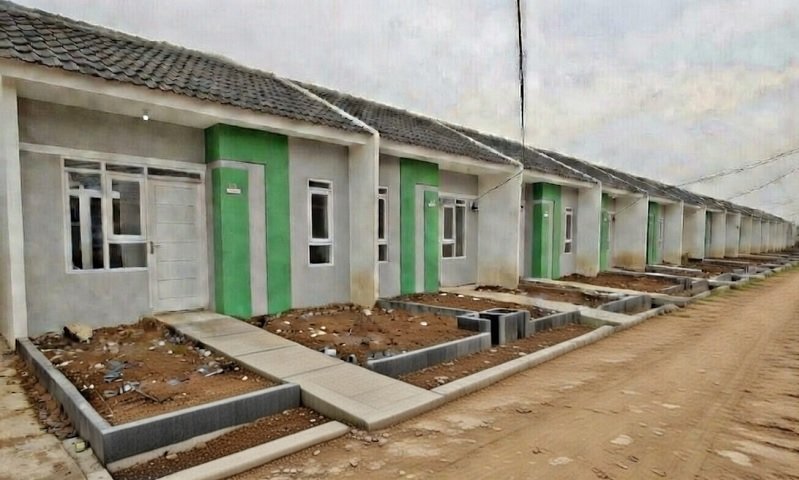
The funding is expected to finance the construction and subsidization of around 790,000 housing units, covering both new subsidized homes and renovations of uninhabitable dwellings.
Key Programs and Allocation Details
Minister of Housing and Human Settlements Maruarar Sirait stated that the budget will be channeled primarily through four key programs: the Housing Financing Liquidity Facility (FLPP), Self-Help Housing Stimulant Assistance (BSPS), the government-borne Value Added Tax incentive (PPN DTP) for commercial housing, and the Housing Program Credit (KPP).
“The 2026 state budget priority for the housing sector is FLPP, BSPS, PPN DTP, and KPP, supported by Rp58 trillion in funding,” Maruarar said in an official statement on February 11, 2026.
The Rp58 trillion figure represents an upward adjustment from the initial draft budget presented in August 2025, which proposed Rp57.7 trillion for 770,000 units. The increase reflects the government’s determination to accelerate implementation amid a national housing backlog estimated at 12–15 million units.
FLPP remains the cornerstone program, providing low-interest mortgage subsidies for hundreds of thousands of units. In 2025, FLPP achieved a record disbursement of 279,000 units, and officials expect continued growth in 2026.
Meanwhile, BSPS—widely known as the house renovation program—will begin disbursements at the end of March 2026. The Ministry of Housing and Human Settlements has been allocated Rp10.89 trillion overall, nearly double the previous year’s budget, with BSPS receiving top priority.
The PPN DTP incentive complements the package by waiving value-added tax on ready-to-occupy homes up to a certain price threshold, while KPP offers alternative financing for other segments.
The 790,000 units directly supported by the state budget form the government’s contribution, with the national target of 3 million homes per year relying on additional private-sector and regional government participation.
Challenges and Broader Implications
Property analysts view the allocation positively, noting that the housing sector contributes 14–16 percent to GDP and generates substantial employment.
Challenges remain, however, including land availability, beneficiary verification, and potential rises in construction material costs. Distribution in remote and underdeveloped regions (known as 3T areas) often faces delays.
The program addresses post-pandemic housing needs, with strict eligibility criteria. Applicants must not already own a home, be registered in the Integrated Social Welfare Data (DTKS) system for BSPS, and earn no more than Rp8 million per month for MBR segments.
As of early February 2026, initial disbursements show encouraging progress, though full-year realization will depend on inter-ministerial coordination and cooperation with distributing banks such as BTN and BRI.