en.malanginspirasi.com – Amidst climate change, increasing population mobility, and challenges to health systems, South East Asian (ASEAN) countries have reaffirmed their shared commitment to ending dengue deaths.
In commemoration of ASEAN Dengue Day 2026, which falls every June 15th, ASEAN, in its official statement, as quoted by InfoPublik in Jakarta, Saturday (June 13, 2026), adopted the theme “ASEAN United: Zero Dengue Deaths – A Future We Build Together by 2030.”
Dengue remains one of the most prevalent mosquito-borne diseases worldwide.
International health organizations estimate that there are approximately 390 million dengue infections annually. Over the past two decades, the number of cases has continued to rise, posing a serious challenge to global public health.
ASEAN believes that various factors have exacerbated this situation.
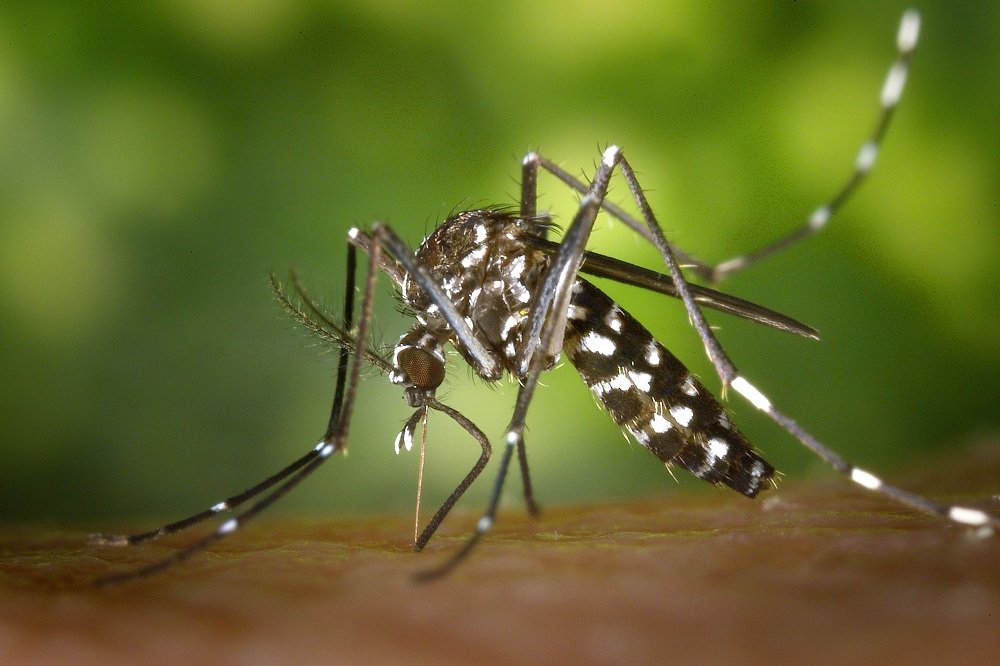
Climate change, resulting in rising temperatures, extreme rainfall, and increased humidity, creates an ideal breeding environment for the Aedes aegypti and Aedes albopictus mosquitoes, the two main species that transmit the dengue virus.
Conversely, challenges remain in diagnostic and laboratory capacity, strengthening disease and vector surveillance, and increasing public awareness of the importance of prevention.
Also Read:
Strengthening Mental Health among Children: Kemenkes Pushes Early Detection in Schools
Wahyu Hidayat Inaugurates “Mbois Gym” to Promote Public Health
Therefore, ASEAN countries are promoting a more integrated and sustainable approach.
These measures include strengthening proactive disease and vector surveillance, integrated vector control, rapid response to cases, appropriate clinical diagnosis and management, and effective risk communication for vulnerable groups.
The commemoration of ASEAN Dengue Day also provides a platform for sharing experiences and innovations among stakeholders, including those from the government, private sector, academia, and civil society.
The use of technology and the development of new knowledge are considered crucial to strengthening dengue control that is adaptive to future challenges.
What’s more, ASEAN also emphasized that achieving the target of zero dengue deaths does not depend solely on healthcare facilities.
Community involvement through mosquito breeding, environmental hygiene, and early recognition of dengue symptoms are key foundations for breaking the chain of transmission.
The goal of achieving a dengue-free ASEAN by 2030 is a shared responsibility. With solidarity, innovation, and concrete action from all levels of society, a healthier future is not just a hope, but a collectively achievable goal.