en.malanginspirasi.com – Canada has officially put into force retaliatory tariffs targeting roughly C$28bn ($20bn) worth of American products, escalating a trade dispute with the US as negotiations remain stalled.
Reported by the BBC, these counter-tariffs reach as high as 50 percent across hundreds of items, including steel, furniture, and cotton T-shirts.
While fresh fish and lobster were initially slated for retaliatory taxes, Canadian officials dropped them following strong pushback from the domestic seafood sector—underscoring the complex economic juggling act required when retaliating against a primary trade partner.
Formal negotiations between the two nations fell apart in late August, and neither side has made progress toward restarting them.
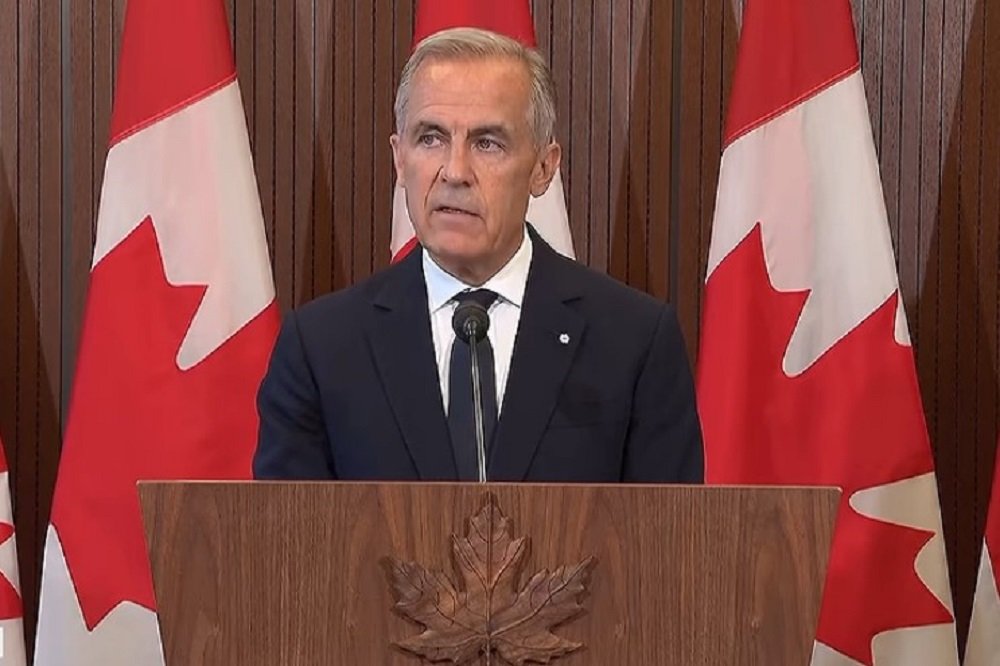
Addressing reporters last week, Prime Minister Mark Carney noted that Canada remains open to securing a “durable” agreement that benefits both nations.
“We’re ready to sit down and strike that deal when the Americans are ready,” Carney said.
Also Read:
Zero-Percent Tariff to the USA, Fresh Hope for Indonesia’s Coffee Farmers and Exporters
However, US trade representative Jamieson Greer countered that the responsibility to restart dialogue lies with Ottawa.
“We offered them the best deal, they looked at it square in the face and turned around,” Greer said in an interview with Fox News, adding that there has been sparse communication with the Canadians since talks collapsed.
In a follow-up interview with Canadian broadcaster CBC, Greer warned against retaliation and raised the prospect of banning select Canadian imports.
Tensions spiked further on Monday when President Donald Trump threatened to block all US operations with Canada-based aerospace leader Bombardier unless its manufacturing shifts to the US.
Over the weekend, Trump also voiced criticism of Canada on Truth Social, describing the exchange rate as “unacceptable” alongside posting a map of North America and Greenland draped in the American flag.
The friction builds on existing US measures, which include 25 percent tariffs on Canadian cars and trucks, alongside taxes on steel, aluminum, and lumber.
In late August, the US added 50% tariffs to specific categories such as dairy, alcohol, hockey sticks, and perfume.
Canada’s counter-measures—described by Carney as a “dollar-for-dollar” strategy—apply additional burdens on top of earlier tariffs placed on American-built vehicles that fall out of compliance with the CUSMA/USMCA free trade agreement.
While domestic polling indicates broad public backing for the retaliatory response, Canadian business leaders and economists have raised concerns about consumer costs and long-term economic friction.
“Businesses understand retaliation but don’t want to see endless escalation,” said the Chamber’s CEO and President Candace Laing in a statement to the BBC on Friday, though she added that businesses “are preparing for this trade dispute to last”.
The bilateral relationship between the two neighbors represents the world’s largest, valued at nearly $900bn in 2025. As a result of the trade dispute, Canadian exports bound for the US dropped to 66 percent in July, down from their typical 75 percent baseline, as Ottawa seeks to diversify its export markets.