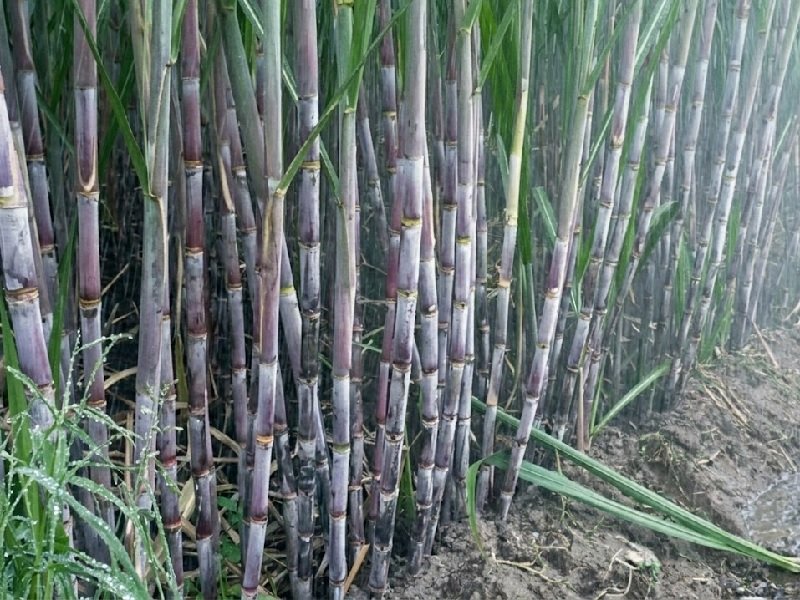
EN.malanginspirasi.com – Coordinating Minister for Food Affairs Zulkifli Hasan has set an ambitious national target to produce 2.7 million tons of sugar annually between 2028 and 2030, designating South Malang — particularly Gondanglegi District — as the country’s primary sugarcane production hub.
The announcement was made during the minister’s recent visit to Malang Regency, directly supporting the National Sugar Self-Sufficiency Roadmap.
Malang Regent HM Sanusi, himself an active sugarcane farmer, outlined the local government’s implementation strategy.
He emphasized the need to build a robust sugarcane ecosystem, noting that Malang already makes a significant contribution to East Java’s overall sugarcane output. The region is anchored by two major sugar factories: PG Kebonagung in Desa Kebonagung, Pakisaji District, and PG Krebet Baru in Desa Krebet, Bululawang District.
“Gondanglegi was chosen as the strategic inspection point because of its enormous potential,” Sanusi stated on Thursday, 27 February 2026.
Modernization and National Initiatives Drive Efficiency
To meet the national target, Malang Regency is promoting full modernization of sugarcane land management, shifting from traditional methods to mechanized systems that include machine planters and harvesters. The move is expected to significantly cut production costs while boosting overall efficiency.
At the national level, the Coordinating Ministry for Food Affairs and the Ministry of Agriculture are rolling out several key programs. One flagship initiative is the Bongkar Ratoon Program, which replaces aging sugarcane plants with superior new varieties to raise sugar rendement (content) above 8–10 percent.
“This step is crucial to maintaining production quality,” Sanusi added.
The government also plans to gradually expand national sugarcane cultivation area to 700,000 hectares, with intensive optimization of existing farmland in high-potential regions such as Malang.
Ensuring a stable Government Purchase Price (HPP) for sugarcane remains a top priority to prevent farmers from switching to more profitable alternative crops.
Village Unit Cooperatives (KUD) have been tasked with acting as the vital link between farmers and sugar factories.
“KUDs must supply subsidized fertilizers on time and facilitate affordable capital through the People’s Business Credit (KUR) scheme specifically for the food sector,” Sanusi said, relaying the Coordinating Minister’s directive.
The 2.7 million ton target forms part of Indonesia’s broader ambition to completely eliminate reliance on imported sugar for both household consumption and industrial use, relying instead on fully domestic production.
Challenges, Benefits, and the Road Ahead
While the program promises substantial gains, several challenges remain, including global price volatility, availability of superior seeds, and the need for farmers to adapt to new technologies.
Economically, successful sugar self-sufficiency is projected to generate thousands of new jobs in agriculture and downstream processing while saving significant foreign exchange currently spent on imports.
Socially, the initiative aims to improve farmer welfare through stable pricing and low-interest credit access.
Environmentally, mechanization is expected to reduce emissions compared to traditional practices, though any land expansion must strictly avoid deforestation. The existing integration between Malang’s sugarcane fields and its two large factories (Kebonagung and Krebet Baru) is being positioned as a replicable model for other regions.
Overall, the strategy encompasses production enhancement, efficient distribution, and supportive policies, with close collaboration between central government, regional authorities, and farmers remaining the decisive factor for success.
Regular monitoring and evaluation will be essential to assess impacts on both local and national sugar markets.