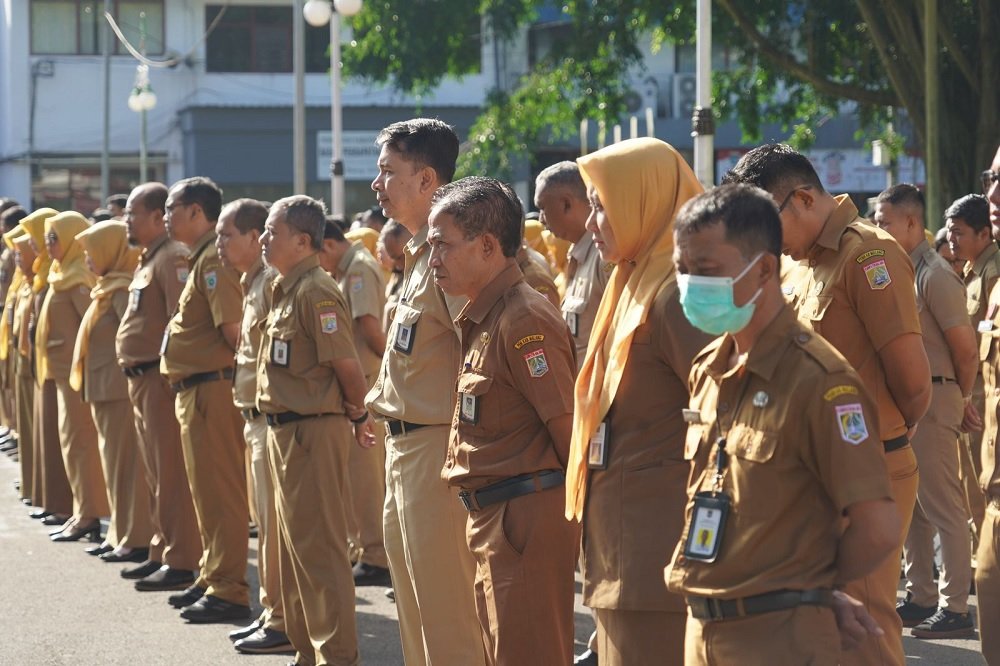
EN.malanginspirasi.com – The Malang Regency Government (Pemkab Malang) is reviewing the possibility of implementing Work From Home (WFH) for state civil servants (ASN) as part of the central government’s plan to reduce national fuel consumption amid soaring global energy prices triggered by escalating conflict in the Middle East.
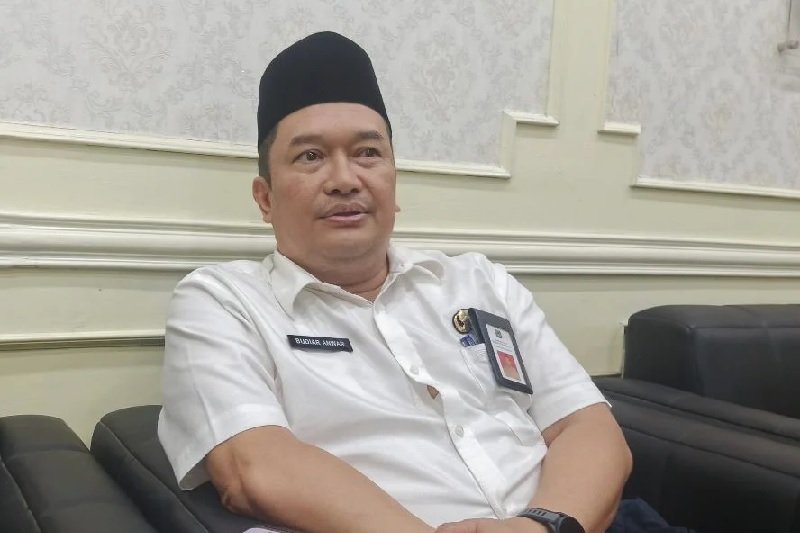
Secretary of Malang Regency Budiar Anwar said the plan is still awaiting detailed technical guidelines (juknis) and implementation instructions (juklak) from the central government. Any rollout will be selective and based on local needs and urgency.
“We are still inquiring and waiting to assess the actual requirements,” Budiar told reporters on Tuesday, March 31, 2026.

“What is clear is that education and health workers will not be placed on WFH. It will only apply to other employees, and we will evaluate each case according to need and urgency,” he explained.
Education and Health Workers Fully Exempted
Teachers and healthcare personnel are explicitly excluded from the WFH scheme. Both sectors are considered essential pillars of basic public services and must continue working from the office (Work From Office/WFO) to maintain service quality.
Head of the Malang Regency Personnel and Human Resources Development Agency (BKPSDM), Nurman Ramdansyah, confirmed the same policy. He stressed that WFH does not mean time off. Civil servants must still meet performance targets and Employee Performance Goals (SKP).
“While ASN are in WFO, performance is assessed through SKP. If WFH is implemented, supervision mechanisms will be adjusted, including the use of work reports and activity-based attendance evidence from home,” Nurman explained.
The regency already has extensive experience implementing WFH during the Covid-19 pandemic, so monitoring systems are not expected to pose major challenges.
The primary objective of the WFH policy is to lower consumption of fuel oil (BBM) amid the global energy crisis. Tensions involving Iran, the United States, and Israel have disrupted oil supplies from the Middle East, including tanker routes through the Strait of Hormuz since late February 2026. The effects are being felt across Indonesia and other ASEAN countries.
Under the scheme, ASN on WFH would work from locations near their homes. The regency claims it has already arranged employee placements so that workplaces are relatively close to residences. Nurman added that the policy could also reduce electricity and other operational costs.
“In principle, the Malang Regency Government welcomes this official WFH scheme. It will bring efficiency in fuel, electricity, and other resources,” he said.
Public Services Remain the Top Priority
The regency government assured that WFH will be applied selectively and will never compromise public services. Especially in education and health.
“These are the main pillars of basic services that the government must fulfil to improve quality of life and advance the next generation of the nation,” Nurman concluded.