EN.malanginspirasi.com – President Prabowo Subianto has set an ambitious target for Indonesia to completely stop importing fuel (BBM) within the next two to three years.
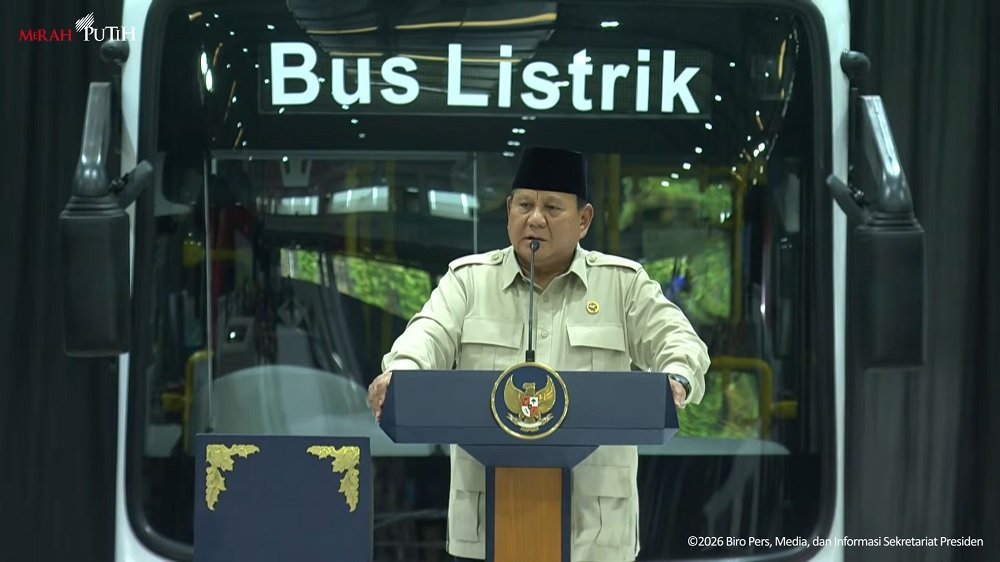
The statement was made by Prabowo on Thursday, April 9, 2026, while inaugurating the electric commercial vehicle assembly plant of PT VKTR Sakti Industries in Magelang, Central Java.
“In two or three years, we may no longer need to import fuel at all. We have enormous strength. If we are truly serious, we will become self-reliant, we will be strong, and we will stand on our own feet,” Prabowo said in his speech, which was broadcast via the Presidential Secretariat’s YouTube channel.

This bold target is underpinned by the government’s aggressive push for mass electrification.
Prabowo explained that Indonesia currently imports around one million barrels of fuel per day. By shutting down 13 diesel power plants (PLTD) owned by PLN, the government has immediately saved 20% of diesel imports, equivalent to approximately 200,000 barrels per day.
“And with an additional 100 gigawatts of electricity capacity, we will save a tremendous amount,” he added.
The plan to add 100 GW of power capacity over the next two years—primarily from solar power plants (PLTS) paired with energy storage batteries—is the cornerstone of reducing dependence on imported fuel.
The inauguration of the VKTR factory, owned by the Bakrie Group, serves as a concrete symbol of the electrification of transportation. The facility is designed for large-scale production of electric buses and trucks, accelerating the adoption of electric vehicles (EVs) in the commercial sector.
Prabowo welcomed this private sector initiative as part of broader efforts toward national industrialization and energy self-sufficiency.

Read Also:
Indonesia’s Electric Car Surge in January–February 2026
Indonesia’s current domestic crude oil production stands at only about 600,000 barrels per day, far below national consumption of 1.5–1.6 million barrels per day. Fuel imports, mainly from Singapore and Malaysia, drain hundreds of trillions of rupiah in foreign exchange annually.
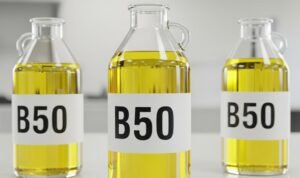
In addition to electrification and closing diesel power plants, the government is also relying on supporting strategies, including the development of biofuels from palm oil, sugarcane, corn, and used cooking oil, as well as increasing oil lifting through new oil and gas basin exploration and refinery modernization.
The medium-term target is solar (diesel) self-sufficiency starting in 2026 through the Refinery Development Master Plan (RDMP).
Prabowo’s statement today accelerates the previous timeline. At the end of 2025 and early 2026, the government had spoken of achieving fuel self-sufficiency within five years. Thanks to concrete progress, the target has now been shortened to just 2–3 years.
Strengthening National Energy Resilience
If realized, ending fuel imports would significantly save foreign exchange, strengthen energy security, and reduce carbon emissions from diesel power plants and conventional vehicles. The program is also expected to create thousands of new jobs in the renewable energy, battery, and EV industries.
However, technical and investment challenges remain. Adding 100 GW of electricity capacity in two years will require vast land areas, a reliable battery supply chain, and effective management of solar energy intermittency. The government acknowledges the need for strong inter-agency coordination and regulatory certainty to attract investors.