Malanginspirasi.com – As the celebration of Eid al-Adha approaches, Muslims prepare to perform the ritual of Qurban (sacrificial offering), a significant practice in Islamic teachings. A crucial first step in this ritual is selecting a healthy and suitable animal to ensure that the act of worship is properly conducted and accepted by Allah SWT.
However, with many sellers offering sacrificial animals, laypeople often find it challenging to make the right choice. Therefore, it is essential to understand how to select an appropriate animal and the requirements that make the sacrifice valid and blessed.
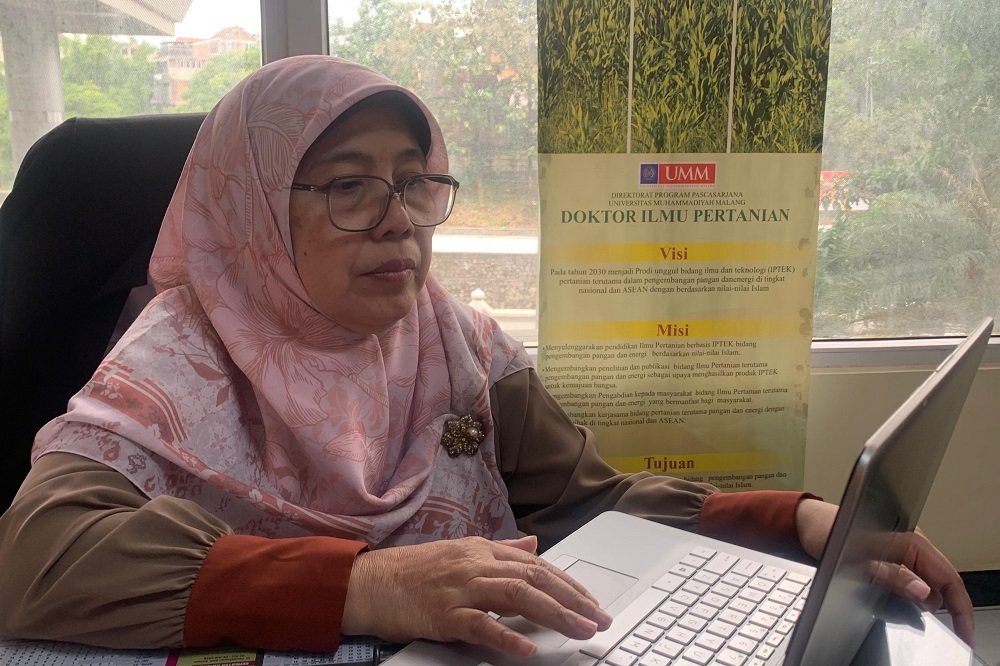
Prof. Dr. drh. Lili Zalizar, M.S., a senior professor specializing in livestock health at Universitas Muhammadiyah Malang (UMM), provides important guidelines on how to choose a healthy and eligible sacrificial animal.
“Performing Qurban is an obligation, and there are examples showing that only good animals should be accepted. Therefore, one must strive to find good-quality livestock,” she explains.
According to Prof. Lili, one critical requirement is ensuring that the animal has been vaccinated, especially against Penyakit Kuku dan Mulut (Foot and Mouth Disease/FMD), which is mandatory. In endemic areas such as East Java, Central Java, and West Java, additional vaccines like Anthrax and Brucellosis are also necessary.
“Brucellosis is a contagious abortion disease that can even infect humans. Thus, in regions with certain disease cases, livestock must receive vaccinations,” she adds.
Beyond vaccinations, Prof. Lili advises vigilance against common livestock diseases such as FMD, mange, and parasitic worm infections. Worm infestation, in particular, can be difficult to detect visually unless it has progressed significantly.
“If the worm infection is severe, the animal will experience a drastic weight loss. However, in mild cases, it’s harder to notice just by looking,” she notes.
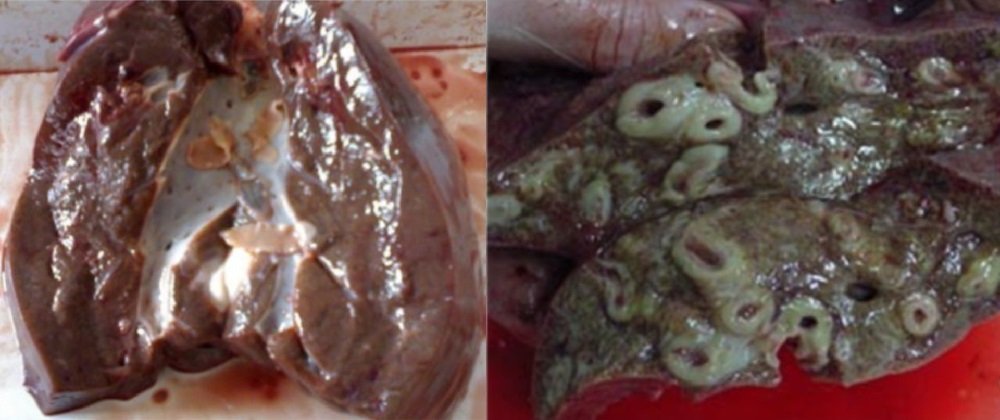
She further explains that one way to identify a healthy sacrificial animal is by examining internal organs like the liver during slaughter. Severe worm infestations can be recognized when the liver shows thick white patches that are worm nests.
To help the public recognize a healthy sacrificial animal through visible signs, Prof. Lili highlights several indicators:
- The animal stands upright, moves actively, and is not limping.
- Eyes are clear and not blind.
- No discharge of blood, foam, or fluids from the eyes, nose, mouth, or anus.
- Skin is free from mange and lumps.
- The animal is not bloated, indicated by a symmetrical belly shape from behind.
In addition to identifying healthy animals, Prof. Lili shares tips to avoid being deceived by unscrupulous sellers. One common trick is artificially inflating the animal’s weight by overfeeding water, known as “gelonggong.”
“Animals that are gelonggonged receive excessive water intake, causing them to urinate within an hour, resulting in the animal’s weight dropping back to normal,” she explains.
She recommends that prospective buyers refrain from making immediate purchases upon first seeing the animal. Instead, they should wait for some time to observe the animal’s true condition.
In conclusion, selecting a healthy sacrificial animal is vital for a valid and blessed Qurban. By following these expert tips from Prof. Lili Zalizar, Muslims can ensure their offerings meet religious requirements and contribute positively to their spiritual practices.