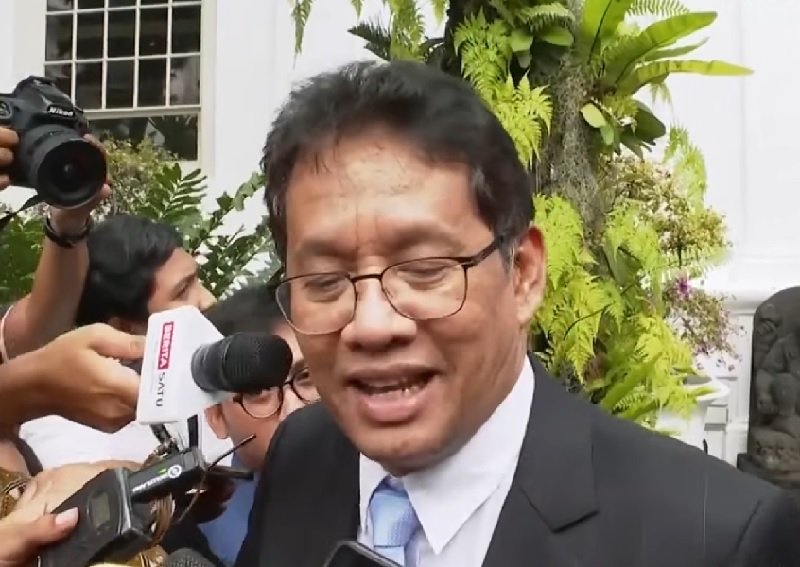
EN.malanginspirasi.com – Indonesia’s Finance Minister Purbaya Yudhi Sadewa has not ruled out trimming parts of the Free Nutritious Meals Program (MBG) budget in 2026 to close a potential deficit in the State Budget (APBN) if global crude oil prices average US$92 per barrel throughout the year.
The possible cuts are strictly conditional and will target only non-essential spending, leaving the core funding for actual food provision completely untouched. The program feeds schoolchildren, pregnant women, toddlers, and the elderly.
Purbaya delivered the statement during an event at the Ministry of Finance on Friday, 6 March 2026, following a fiscal “stress test” that simulated risks from the escalating Iran-Israel-US conflict.
“If the price averages US$92 for the whole year, the deficit would exceed 3.6 percent. We will take steps to ensure that does not happen. Where can we save? For example, savings in MBG,” Purbaya was quoted as saying by detikFinance and CNBC Indonesia.
CNN Indonesia also reported that Purbaya is firmly against cutting the core of MBG, even though Fitch Ratings recently revised Indonesia’s debt outlook to “negative” and projected a deficit of 2.9 percent of GDP partly due to MBG spending reaching 1.3 percent of GDP.
The official 2026 APBN deficit target is Rp689.1 trillion, or 2.68 percent of GDP, based on an Indonesian Crude Price (ICP) assumption of US$70 per barrel. In the worst-case scenario, the deficit could balloon to 3.6 percent. It’s above the conventional safe threshold of 3 percent.
Rather than raising subsidized fuel prices — a move that risks triggering inflation and social unrest — the government has chosen to pursue budget efficiency.
Focus on Non-Essential Goods Spending
Purbaya stressed that the main budget allocation for providing nutritious meals will not be touched.
“The MBG program is clearly good, but we want to prevent spending that does not directly support the food itself,” he said.
Examples of items that could be cut include the procurement of motorcycles or computers for school program operators (SPPG) and other non-essential operational goods.
The core of the program remains fully protected: the distribution of rice, side dishes, milk, eggs, and other nutritious food for 82.9 million recipients (schoolchildren, toddlers, pregnant women, and the elderly).
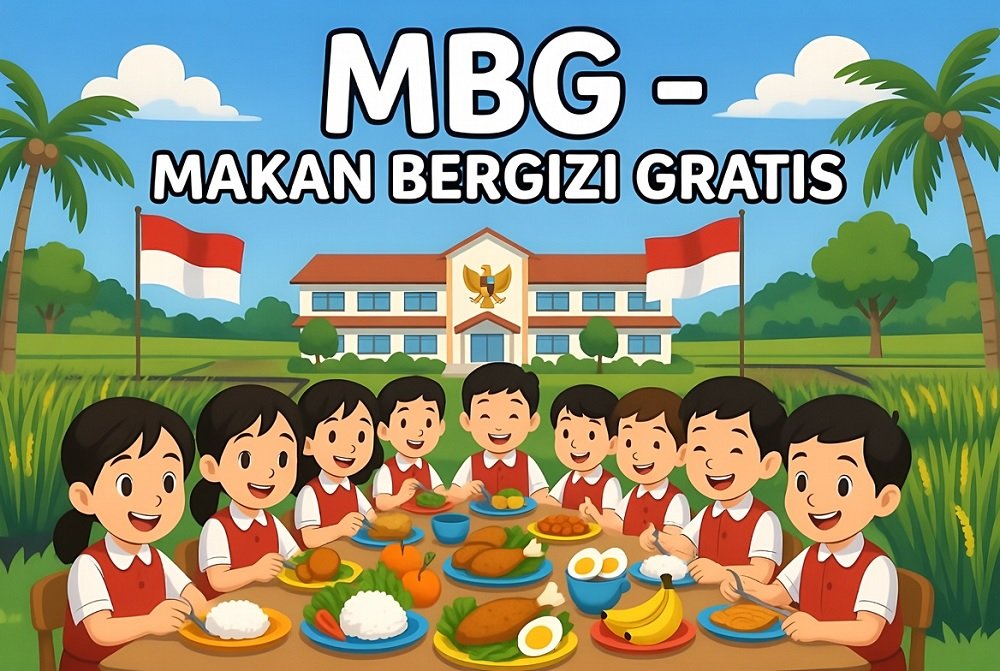
The 2026 MBG budget has been set at Rp335 trillion — a sharp increase from Rp71 trillion the previous year. As an alternative, the government could also postpone some multi-year infrastructure projects under the Public Works and Housing Ministry (PUPR), such as bridges and schools.
MBG is President Prabowo Subianto’s flagship initiative to tackle stunting and improve human capital quality. The program has been rolled out on a massive scale since January 2026 and has undergone internal reviews aimed at optimization — not reduction of its core mission.