Malanginspirasi.com – Brawijaya University (UB) is increasing the number of peer counselor volunteers to work for one year after completing the training.
These volunteers will provide a safe space for sharing stories and problems.
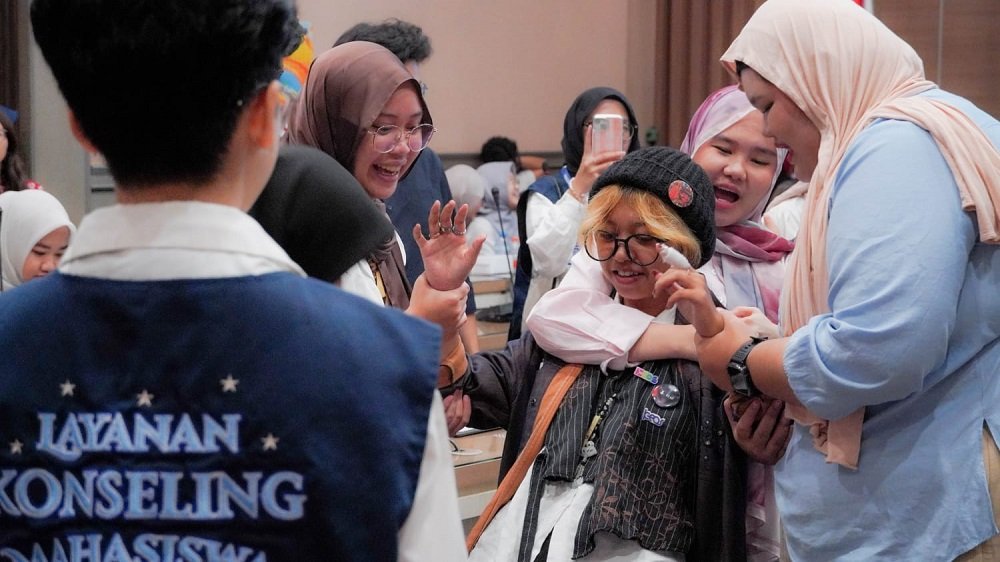
Sub-Directorate of Counseling, Prevention of Sexual Violence, and Bullying organized the Peer Counselor Training for Brawijaya University (UB )Students on Saturday, April 11, 2026.
The training took place in the Meeting Room on the 8th floor of the Rectorate Building.
Peer counselor volunteers, as well as representatives from Student Activity Units (UKM) and student organizations from various faculties attended the training.
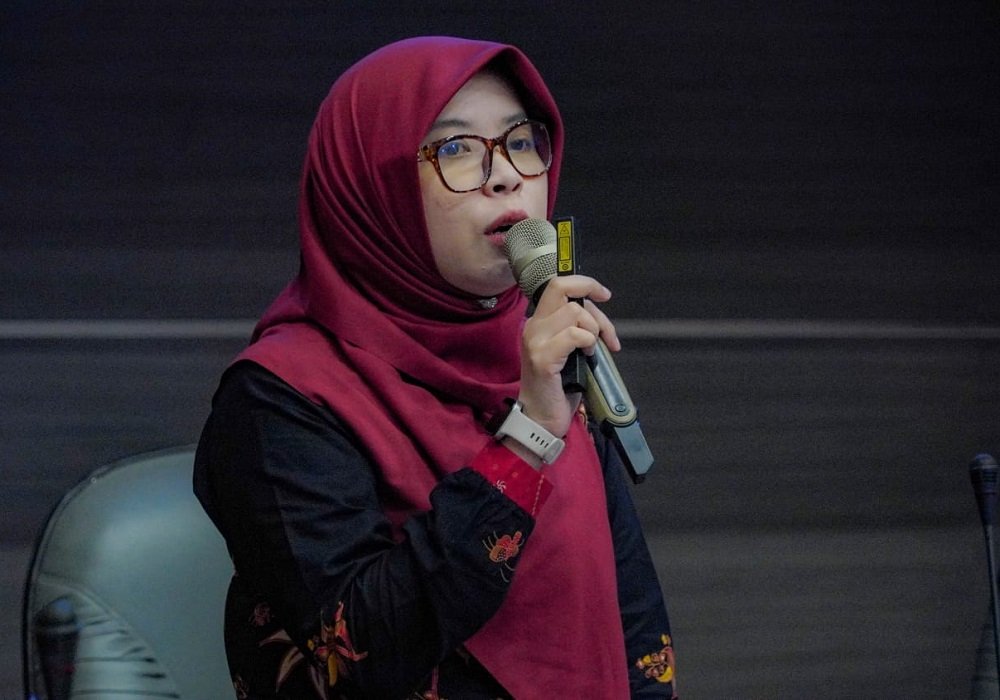
Head of the Committee, Ulifa Rahma, S.Psi., M.Psi. (UB)
“After participating in this program, the peer counselor volunteers will be assigned for one year to carry out promotional and preventative mental health efforts,” said the Head of the Committee, Ulifa Rahma, S.Psi., M.Psi., Psychologist.
The Head of the Sub-Directorate of Counseling, Prevention of Sexual Violence, and Bullying explained that these volunteers will provide initial assistance to students in need.
They will play a role at the university and faculty levels and can collaborate with student organizations.
This training is part of prevention and early intervention efforts, focusing not only on mentoring students who are already experiencing problems but also on preventing them from entering at-risk groups.
“So, it’s not just about intervention for students who already have problems, but also how to prevent them from entering at-risk groups,” she said.
Ulifa explained that participants will undergo a series of follow-up training sessions to improve their skills in mentoring and handling emergency situations.
Furthermore, this program is open not only to faculty representatives but also to general students who register voluntarily, thus expanding the reach of mental health support on campus.
“We hope that the academic community can increase their awareness and literacy regarding mental health, so they can better understand themselves and optimally develop their potential, both academically and non-academically,” she concluded.