en.malanginspirasi.com — Minister of Finance (Menkeu), Suahasil Nazara, emphasized that the illegal imports of rice into Indonesia can harm farmers and undermine the government’s efforts to maintain national food self-sufficiency.
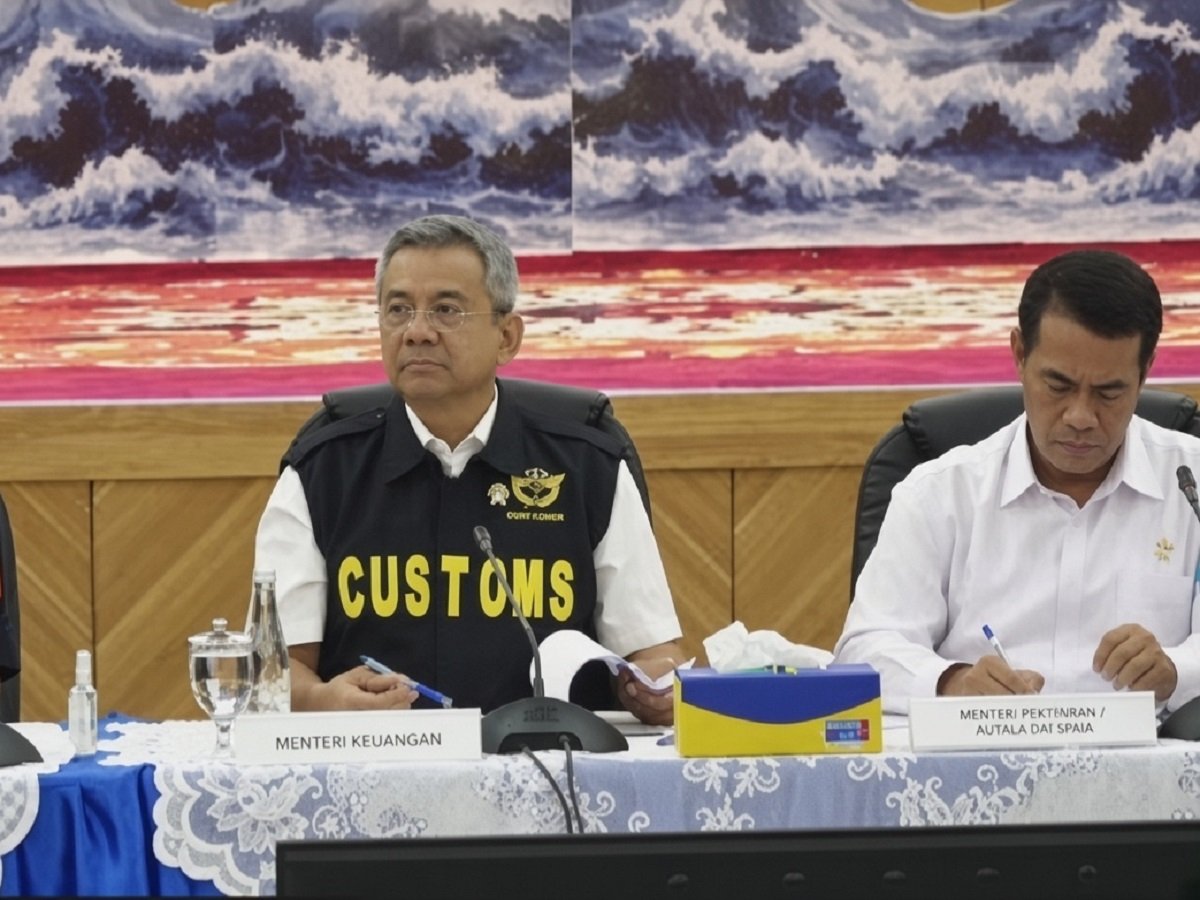
Suahasil made this statement during a press conference on the crackdown on illegal imports of rice, salt, and balpres at the Directorate General of Customs and Excise (DJBC) Headquarters in Jakarta, Tuesday (September 22, 2026).
“If rice is smuggled in, it undermines our food self-sufficiency,” said Suahasil.
According to him, the government, together with farmers, has been working to increase agricultural productivity to meet food needs from domestic production.
Therefore, the influx of illegal rice is considered potentially detrimental to the results of these efforts.
“Our farmers work hard to grow rice with high productivity, and then illegal rice like this comes in,” he said.
Baca Juga:
Government Exempts Import Duties on LPG and Plastic Raw Materials
Suahasil said that the size of Indonesia’s domestic market is one factor that makes illegal trade attractive to perpetrators. With its large population and purchasing power, Indonesia is a potential market for various products.
“Our market is incredibly large. It’s tempting for all global players in various goods. Therefore, we must protect our market,” he said.
He added that illegal rice imports also create problems for consumers because the government cannot guarantee the storage, shipping, packaging, and quality of the rice.
Unlike rice produced and distributed through official channels, Suahasil said, illegal products are not managed by a government that can be accounted for.
“Domestically produced rice has its own management, storage, and sales. Bulog and the Ministry of Agriculture are the ones who make policies,” he said.
Minister of Agriculture Delivered Appreciation
On the same occasion, Minister of Agriculture Amran Sulaiman expressed his appreciation for Customs and Excise’s enforcement of illegal imports. He noted that previous cases of illegal rice had been discovered in several regions, including Sabang and Batam.
Amran reminded that the impact of the entry of illegal goods should not be solely measured by the number of items successfully prosecuted.
“Don’t look at the number, but look at the impact,” Amran said.
He cited the example of the importation of illegal meat in 2022-2023, which he said impacted the livestock sector after the spread of foot-and-mouth disease (FMD). He said this incident demonstrated that a single shipment of illegal goods can have a much greater impact.
In the case of rice, Amran said the impact was felt by both farmers and consumers. He also highlighted the discovery of rice labeled as a premium product, but according to government inspection results, it was ordinary rice.
Amran said the government used four laboratories to examine the product. He linked this practice to potential consumer losses and its impact on rice prices.
He also mentioned that the government had processed 102 suspects in previous food mafia cases.
“This is an order from the President. Eliminate mafia corruption in the Republic of Indonesia, especially in the food sector,” Amran said.
According to him, action was also taken against internal government officials found to be involved. He mentioned that certain individuals from the Ministry of Agriculture have been prosecuted and imprisoned.
Amran hopes that law enforcement against illegal importers will be carried out in accordance with applicable regulations. He believes that enforcement is necessary to protect the interests of farmers and consumers.
In the press conference, the government also emphasized the importance of synergy between Customs, the Ministry of Agriculture, the Ministry of Trade, the Indonesian Quarantine Agency, the Police, the Prosecutor’s Office, and the State Logistics Agency (Bulog) in monitoring and prosecuting the circulation of illegal imports.
Secondhand Clothing Draws Attention
Besides rice, Suahasil highlighted the illegal entry of secondhand clothing. According to him, the circulation of illegally imported secondhand clothing can impact domestic businesses, including tailors and the textile industry.
“The ones who are harmed are Indonesian tailors. We usually order from Indonesian tailors, from Indonesian industry. Now, illegal imports like this are coming in,” he said.
He also highlighted the safety and health aspects of illegally imported secondhand clothing. The government, he said, cannot guarantee the condition of the goods, including the storage process before the clothing is imported and sold in Indonesia.
Therefore, Suahasil requested that Customs and Excise continue to strengthen their public protection function through risk-based supervision and enforcement.
“This enforcement is a source of pride, motivation, and responsibility for all Customs and Excise officers to work with integrity in the field,” he said.