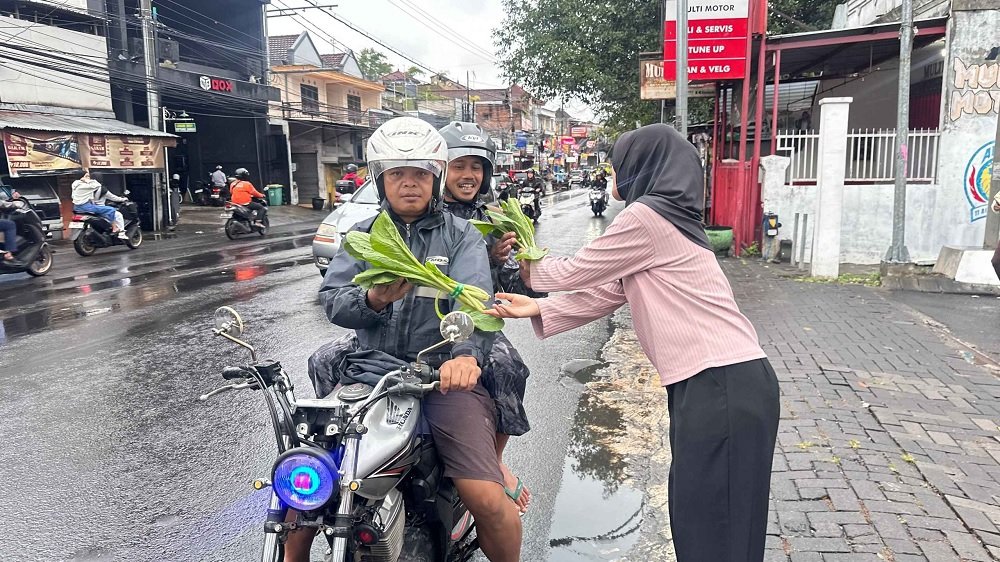
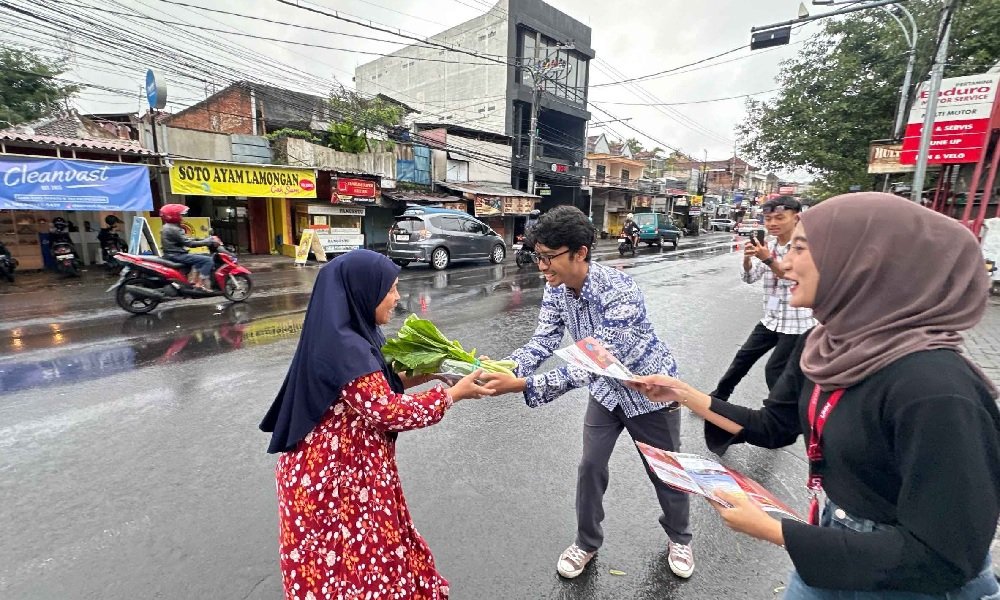
EN.malanginspirasi.com – To promote a healthy lifestyle, several Agribusiness students from Universitas Muhammadiyah Malang (UMM) distributed packages of fresh vegetables as a nutritious option for breaking the fast.
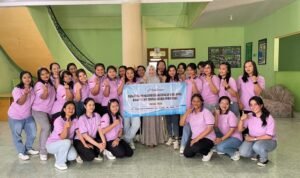
The scene outside Universitas Muhammadiyah Malang (UMM) looked markedly different on the eve of iftar this Ramadan. Instead of the usual array of sweet kolak and traditional takjil drinks, students from the university’s Agribusiness Study Program distributed fresh vegetable packages, offering a healthier, more sustainable alternative to break the fast.
The initiative, described by organisers as a form of “takjil reform”. It reflects the practical application of agribusiness principles in everyday community life.
“This activity embodies the core values of agribusiness — sustainability, food security, and the empowerment of agricultural products,” said M. Zul Mazwan, Head of the Agribusiness Study Program at UMM, on Friday, 27 February 2026.
“Sharing vegetables during Ramadan symbolises the strategic role of the agricultural sector in both the social and economic fabric of society. It proves that agribusiness knowledge is not merely theoretical but can deliver direct, tangible benefits to the community,” he added.
Pre-Packaged for One Healthy Dish
Rather than handing out ready-to-eat instant snacks, the students prepared around 200 carefully curated vegetable packages. Each pack was designed around a single complete menu — from sop (clear soup), sayur asam (tamarind-based vegetable soup), sayur bayam (spinach dish), to capcai (mixed vegetable stir-fry).
“We have already packaged the vegetables according to one specific dish,” Zul Mazwan explained.
The approach was warmly received. Within minutes, every package had been taken, signalling strong community appreciation for the healthier option.
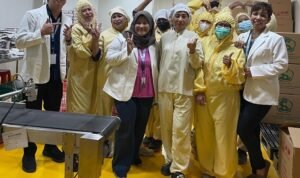
The program was carried out in collaboration with PT Bumiaji Sejahtera, a strategic partner within UMM’s Center of Excellence (CoE) network that connects academia and industry (DUDI). The partnership ensured consistent quality and freshness of the produce while giving students hands-on exposure to the full agribusiness supply chain. From farm to distribution.
A Message of Food Resilience
Organisers say the activity goes far beyond a simple giveaway. It positions agriculture not only as a source of commodities but also as a powerful medium for education on food security and healthy living.
Looking ahead, the Agribusiness Study Program hopes to make this sustainable sharing model an annual Ramadan tradition. It is a signature social contribution that blends academic knowledge, industry partnership, and humanitarian values during the holy month.
The initiative has drawn attention as a fresh example of how Indonesian universities are translating classroom theory into meaningful real-world impact during Ramadan.