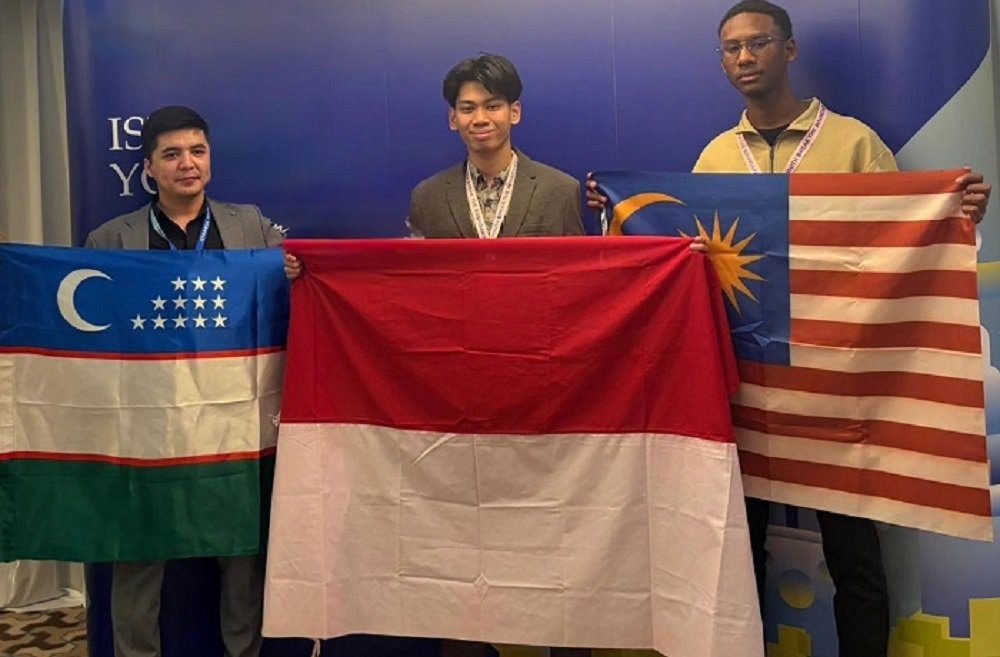
en.Malanginspirasi.com – Brawijaya University (UB) student Muhammad Alhafiz Arya Wardhana (Information Systems/FILKOM) won third place in the International Project Innovation Competition in Istanbul, Turkey, on Friday (February 13, 2026).
The International Project Innovation Competition is an international innovation event that brings together participants from various countries to present project solutions to global problems. Arya, as he is familiarly known, collaborated with Malikha Haula Karimah (Sunan Gunung Djati State Islamic University, Bandung) and Khikmatillo Nematov (Uzbekistan). They successfully brought the probaplas project to the international stage.
“PROBAPLAS (Prosthetic from Plastic Waste) is an innovation that focuses on utilizing HDPE (High-Density Polyethylene) waste, such as bottle caps and used jerry cans, as raw materials for making prosthetic sockets, the main component of prosthetics,” explained Arya.
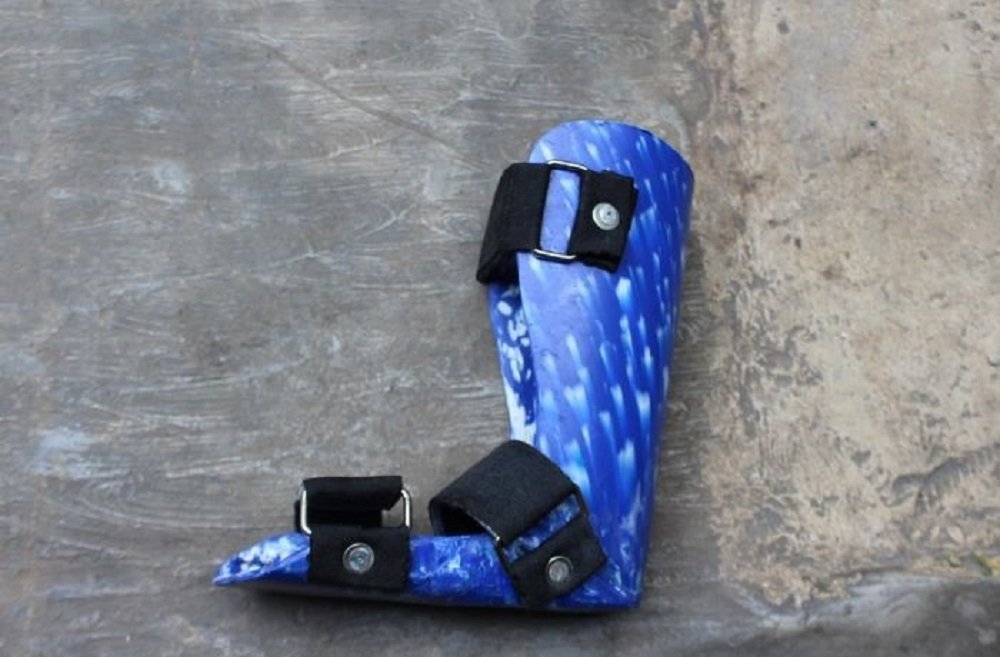
He added that PROBAPLAS was first initiated by the Student Activity Unit PUSTENA (Center for Appropriate Technology) under the auspices of Rumah Salman, Bandung Institute of Technology.
The Information Systems student further explained that the idea arose from two major interrelated problems: limited access to prosthetic devices for people with disabilities due to their relatively high prices and their reliance on imported raw materials for production. Furthermore, HDPE plastic waste is abundant, and its decomposition takes a long time, often ending up in landfills and polluting the environment.
“Based on research by Malikha (one of the team members), the recycled HDPE used meets the minimum standards for prosthetic materials, namely a tensile strength of 26-33 MPa. Furthermore, the use of recycled materials can reduce the cost of raw materials to $2 per unit, or Rp. 35,000. Thus, our innovation successfully addresses two major problems at once,” Arya explained.
Recognizing the positive impact of PROBAPLAS, the team designed an integrated website with gamification and a social program called Eco Hero. This program will not only foster an environmentally conscious community but also increase its participation in realizing a circular economy.
Also Read:
Read on The Integrity Message from Anies Baswedan at the UB’s Raden Patah Mosque
He explained that in addition to materials and manufacturing aspects, PROBAPLAS also integrates a circular economy approach, namely the development of a gamification-based digital waste bank system. The public can deposit HDPE plastic waste into the waste unit, earning digitally recorded points that can be converted into economic value.
“Most importantly, this project doesn’t stop at the research or competition stage. The team has begun implementing a direct prosthetic production model through collaboration with prosthetic partners and disability empowerment communities. Several prosthetics have already been distributed to those in need,” he added.
Arya’s supervisor, Dr. Maurish Sofie Rahmi Batita, S.Pd., M.Ed., stated that Arya’s idea is an interesting development. “The idea and prototype that Arya and his team developed could become a superior product for people with disabilities, while still maintaining environmental awareness,” he said.