Malanginspirasi.com – We often hear about different generations being named based on age groups—like Baby Boomers, Generation X, or Generation Z. The person who first developed a theory about these generations was Karl Mannheim, a sociologist from the 1920s. He believed that generations could be understood based on shared experiences, values, habits, and ways of thinking—not just age.
Many researchers agree that Gen Z shares some clear characteristics. They are “digital natives”—skilled at using technology from a young age and very used to instant connectivity. Gen Z is known for being independent, open to diverse identities, and socially and environmentally conscious. They are also realistic about the future, often preferring job stability over high salaries.
Their communication style is direct, informal, and visual, and they are comfortable learning independently, especially using technology.

Despite these similarities, some authors highlight differences. According to McKinsey, Gen Z is inclusive, socially active, and focused on finding their true identity. You can see this when a student forms a study group open to everyone—regardless of religion, ethnicity, or gender. Their care for social issues is also clear, like when high schoolers start a campaign to reduce plastic waste by encouraging friends to bring reusable water bottles.
Many Gen Z youth also avoid traditional labels and prefer to express their unique selves through their clothing or lifestyle. They don’t just want to be accepted—they want to help build a fairer world. For example, they might create social media content about discrimination and invite others to discuss solutions. These behaviors show that Gen Z wants to live according to their values and be active agents of change.
While McKinsey offers a hopeful view, Bruce Tulgan points out serious challenges that Gen Z faces, especially when it comes to basic skills. He notes that many Gen Z youth struggle with personal responsibility, communication, and problem-solving—skills that are essential in the workplace.
Meanwhile, Singh and Dangmei add that Gen Z often has a short attention span, heavy dependence on technology, and little interest in politics or community involvement. This shows that although Gen Z has a lot of potential, there are real challenges to address so they can grow both as individuals and as members of society.

Some traits of Gen Z can lead to negative effects. Because they are used to relying on gadgets and the internet, they may turn to search engines instead of thinking through problems on their own, which can weaken critical thinking skills. Also, their habit of multitasking—like studying while scrolling through social media or watching videos—can make it hard for them to focus for long periods.
This can reduce their focus and productivity, which becomes a serious challenge in school or work settings. Their individualism and expectation for instant feedback can also cause problems in workplaces that require collaboration, patience, and resilience. As Tulgan explains, their lack of soft skills may slow down their readiness for the professional world.
The English Literature Program at Universitas Ma Chung is designed to turn Gen Z’s strengths into lifelong assets. Recognizing their deep connection to technology, courses like Translation Technology, Creative Writing, and Introduction to Graphic Design guide students to create meaningful digital content while developing ethical and professional digital literacy—skills essential in the AI era.

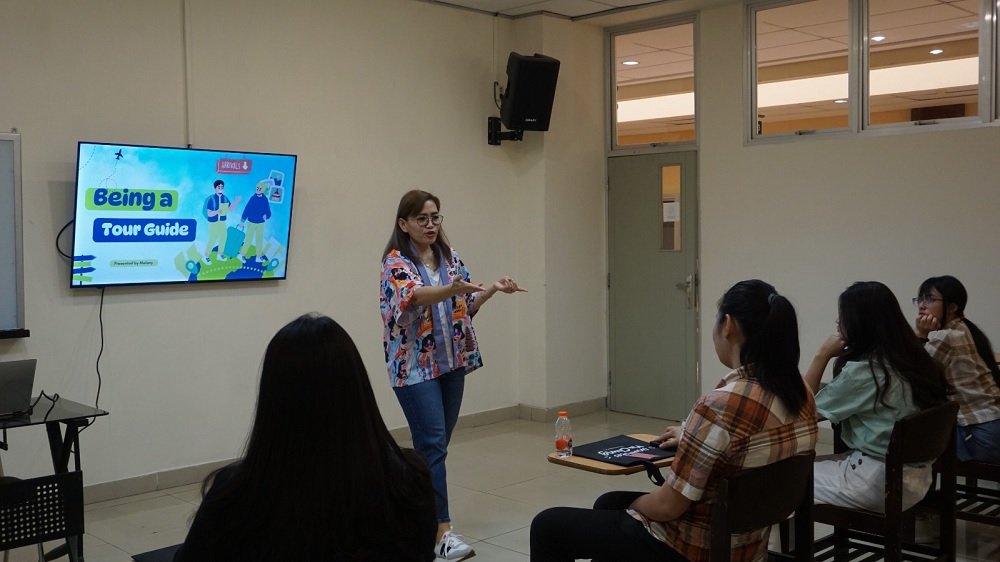
To overcome short attention spans and multitasking habits, we apply project-based learning in courses such as Tourism & Hospitality and Entrepreneurship for Language Students. These classes offer flexible but purposeful activities that encourage collaboration, problem-solving, and real-world awareness.
Rather than treating Gen Z’s individualism as a barrier, we nurture it through internship programs, leadership development, and Rubik mentoring. These initiatives help students discover their potential, build confidence, and map their career paths early.
Soft skill development is embedded into the curriculum, particularly in courses like Cross Cultural Understanding, Introduction to Communication, and Sociolinguistics. Through our Global Classroom Collaboration, students engage in cross-cultural learning and develop into adaptable, inclusive global citizens.

Meanwhile, courses in the Reasoning and Intellectual Skills cluster—such as Literary Appreciation, Popular Literature, and Introduction to Philosophy—cultivate critical thinking, ethical awareness, and intellectual depth through reflective discussions and value-based inquiry. Together, these programs ensure our Gen Z students graduate not only with strong academic skills, but also with the mindset and character to thrive in today’s complex, interconnected world.
* Prof. Dr. Daniel Ginting is an expert in the fields of technology-based learning, public speaking, scientific writing, and leadership.
daniel.ginting@machung.ac.id