en.malanginspirasi.com – The Ministry of Health (Kemenkes) is strengthening health crisis mitigation measures in the face of the El Niño phenomenon during the 2026 dry season.
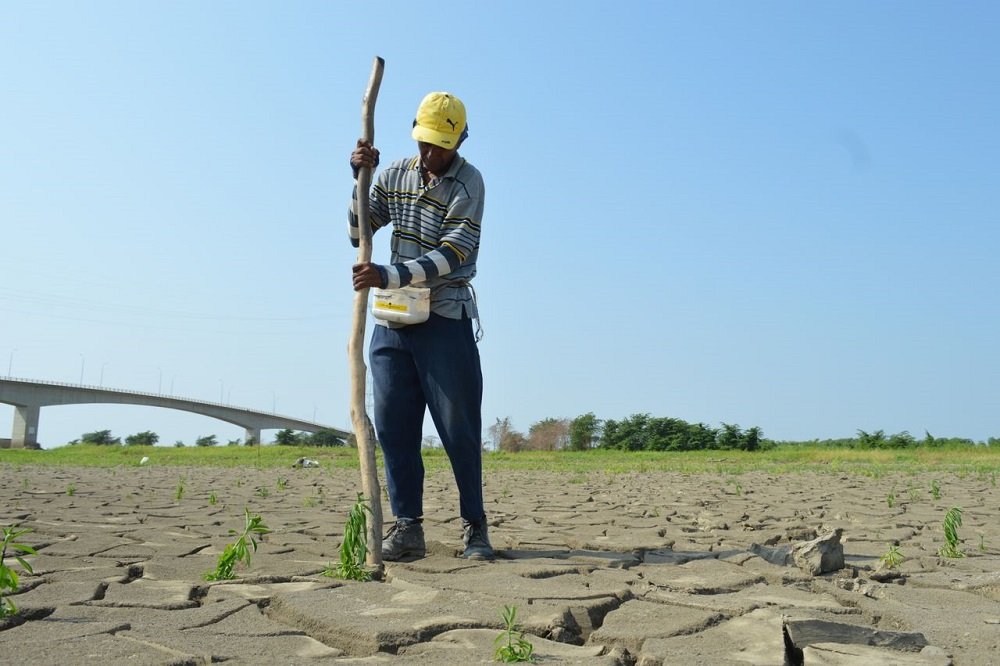
This phenomenon has the potential to increase the risk of drought, forest and land fires (karhutla), and various health problems in several regions of Indonesia.
The Head of the Ministry of Health’s Health Crisis Center, Agus Jamaludin, stated that El Niño is a global climate change phenomenon caused by rising sea surface temperatures in the eastern Pacific Ocean.
Its impacts not only affect the environment but also increase the risk of health crises through increased infectious diseases, respiratory disorders, clean water shortages, and the threat of malnutrition.
“El Niño has quite serious impacts. In addition to affecting the development of disease-carrying vectors, El Niño also causes droughts that have the potential to lead to clean water scarcity and food shortages. These conditions ultimately impact public health,” Agus said in a webinar on Health Crisis Preparedness and Response in Facing the Impact of El Niño.
Also Read:
BMKG Claims El Niño 2026 May Persist Until Early 2027
Kemenkes Raises Mental Health Drug Budget to Rp50 Billion in Major 2026 Push
He explained that changes in temperature, humidity, and rainfall during El Niño can alter the spread of climate-sensitive diseases.
Vector-borne diseases such as malaria and dengue fever (DHF) have the potential to increase because higher temperatures accelerate parasite development and shorten the incubation period for mosquitoes.
“Furthermore, acute respiratory infections (ARI), pneumonia, tuberculosis (TB), and diarrhea are also expected to increase due to worsening air quality and limited access to clean water,” he said.
He added that areas prone to forest and land fires, such as Riau, Jambi, South Sumatra, West Kalimantan, and Central Kalimantan, need to strengthen their preparedness.
Several regencies in Java are also beginning to experience drought, necessitating early anticipatory measures.
To mitigate these impacts, the Ministry of Health is prioritizing promotional and preventive efforts through public education.
Agus urged the public to protect themselves from heat exposure by drinking plenty of water, avoiding dehydration, seeking shade, and using hats, umbrellas, or protective eyewear when engaging in outdoor activities.
The public is also urged to practice Clean and Healthy Living Behaviors (PHBS), ensure the availability of clean water, wear masks when air quality deteriorates due to smoke or dust, and implement vector control through the 3M Plus movement and the use of larvicide.
“We cannot prevent El Niño because it is a natural phenomenon. However, we can respond to it through mitigation by managing threats, reducing vulnerability, and improving the capacity of communities and health services,” Agus emphasized.
The Ministry of Health also recalled Indonesia’s experience dealing with the impacts of forest and land fires in 2015, 2019, and 2023.
They caused hundreds of thousands to over one million people to suffer health problems due to haze.
“Therefore, strengthening mitigation, health service preparedness, and active community participation are key to reducing the risk of a health crisis during the 2026–2027 El Niño period,” he concluded.