en.malanginspirasi.com – A few days have passed since the vibrant celebration of Indonesia Independence Day, public interest in Wastra Nusantara or Indonesia’s traditional heritage textiles has surged to unprecedented levels.
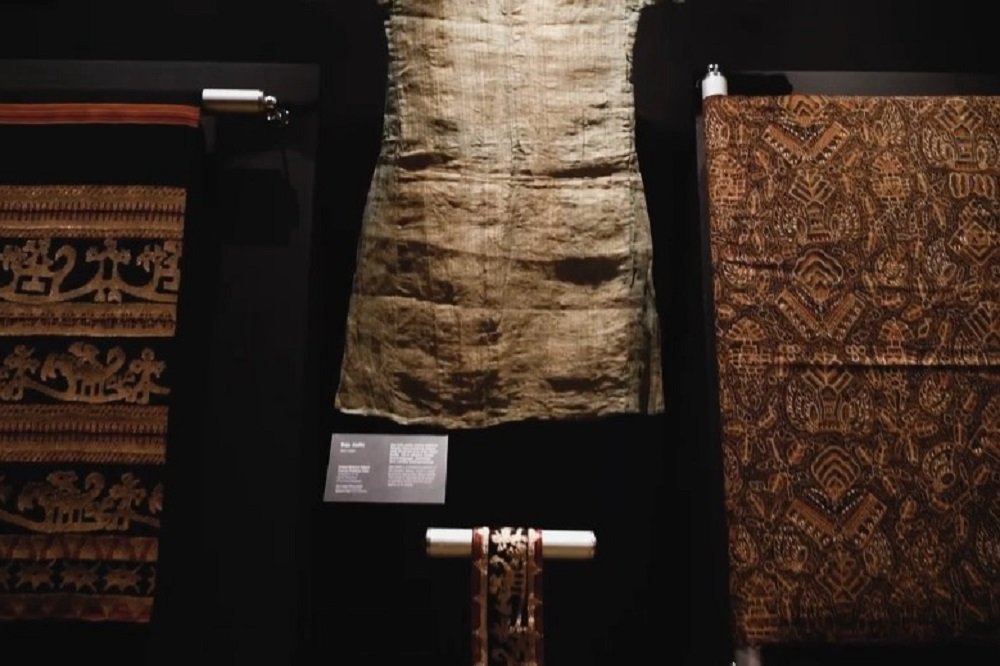
Once relegated to formal ceremonies or seen as attire reserved for older generations, traditional fabrics, from hand-woven tenun to intricate batik, have officially broken into the everyday wardrobes of younger generations.
This sudden cultural shift is backed by staggering digital search metrics.
Keywords for ‘wastra nusantara’ saw a monumental 540 percent jump compared to the same period last year.
Driven heavily by viral OOTD (Outfit of the Day) social media trends during the Independence Day festivities, youth creators demonstrated how seamlessly centuries-old weaving and dyeing techniques can blend with modern street fashion.
Also Read:
The Profile of Neeltje Deliana, Flag Tray Bearer at the Indonesia Independence Day Ceremony
Among the diverse array of regional textiles across the archipelago, fashion enthusiasts have fixated heavily on one specific region: Bali.
Search engines recorded an extraordinary surge specifically for “Balinese women’s traditional dress” (baju adat Bali perempuan).
The aesthetic appeal of Balinese attire, characterized by fitted kebaya, vibrantly colored waist sashes (senteng), and elegantly draped patterned kamen fabrics, has captured nationwide attention for its striking balance of timeless elegance and contemporary flair.
Beyond the fashion statements, this trend is delivering a significant economic boost to local weavers, dyers, and small-to-medium enterprises (SMEs).
Orders for authentic handwoven fabrics, batik blocks, and ready-to-wear Balinese kebayas have soared immediately following August 17th.
This cultural renaissance proves that when tradition is communicated through a modern, accessible lens, it not only preserves rich heritage but also keeps the local creative economy thriving.