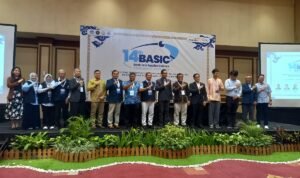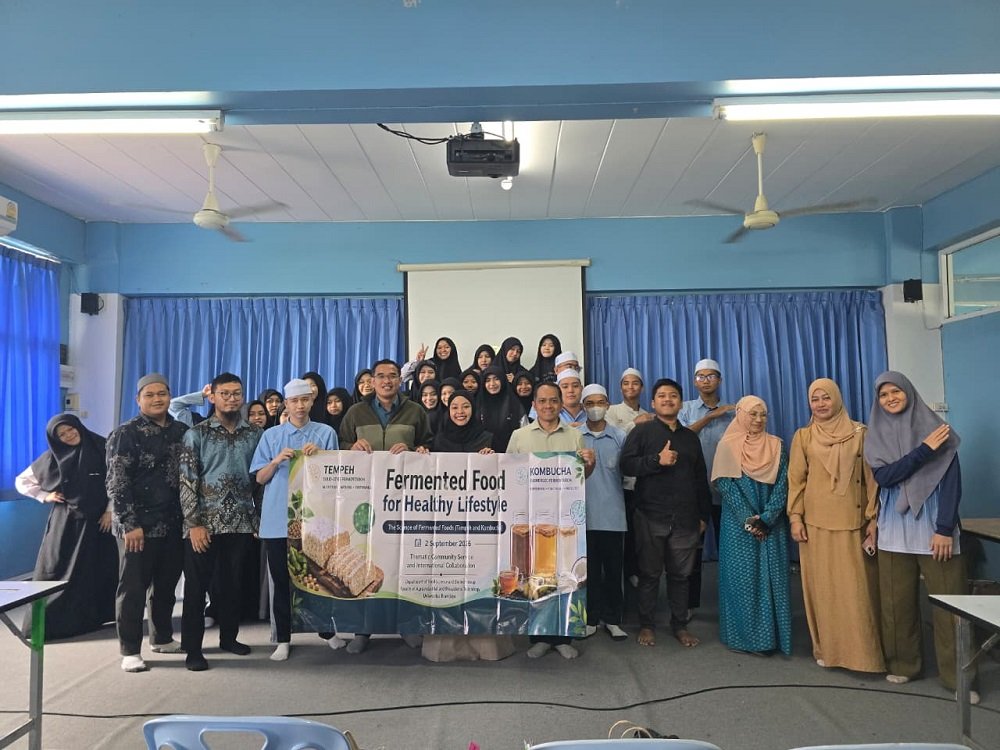
en.malanginspirasi.com – A delegation from the Department of Food Science and Biotechnology represented the Faculty of Agroindustrial and Biosystems Technology (FTAB) at Universitas Brawijaya (UB) in conducting a Thematic Community Service and international cooperation activity at the Thammislam Foundation School in Thailand on September 2, 2026.
The activity focused on the theme “Fermented Foods for a Healthy Lifestyle,” aiming to introduce the application of food science and biotechnology in supporting healthy living within the school environment.
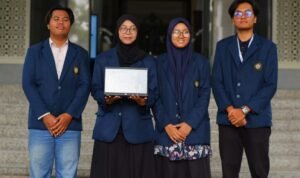
The delegation consisted of Dr. Tunjung Mahatmanto, Dr. Elok Waziiroh, and Dr. Ahmad Zaki Mubarok.
The aim of this Thematic Community Service activity was to bridge the gap between academic knowledge of biotechnology and food science and its practical application in daily life.
Through this approach, teachers, students, and the school community will know further the fundamental principles of fermentation, the role of microorganisms in food processing, the benefits of fermented foods, and the importance of hygiene and safety in production processes.
During the workshop, participants learned about two primary food fermentation systems: Solid-State Fermentation (SSF) and Submerged Fermentation (SmF). Solid-State Fermentation was demonstrated through the process of making tempeh, while Submerged Fermentation was illustrated through kombucha production.
These examples served to explain how microorganisms function under different conditions and transform raw ingredients into products with distinct characteristics.
In addition to explaining the scientific principles of fermentation, the activity emphasized hands-on, practical learning.
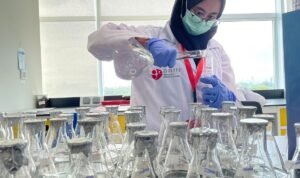
Participants gained an understanding of ingredient preparation, inoculation, the regulation of fermentation conditions, and the importance of sanitizing equipment and the environment.
Also Read:
FTAB UB Welcomes Yunnan Minzu University Delegation to Strengthen Global Partnerships and Research
Hygiene is a critical aspect of food fermentation, as the process’s success relies heavily on controlling the growth of desired microorganisms while preventing contamination.
Dr. Tunjung Mahatmanto explained that the activity aims to demonstrate the direct connection between food science, biotechnology, and everyday life.
“Through this activity, we aim to demonstrate that fermentation is not merely a traditional food processing method but also a practical medium for science education. Students can grasp the role of microorganisms while observing how this science is applied to produce value-added food products that support a healthy lifestyle,” he explained.
Through this Thematic Community Service initiative, the FTAB delegation not only shared knowledge regarding Indonesian fermented foods—specifically tempeh—but also fostered a knowledge exchange with the educational community in Thailand.
Incorporating local Thai ingredients into the fermentation lessons served as a form of knowledge adaptation, ensuring the outreach activity remained relevant to the local community context.
Looking ahead, the Thematic Community Service at Thammislam Foundation School is expected to serve as a foundation for broader international cooperation, particularly in the fields of education, food science, biotechnology, health, and community empowerment.
Through such collaboration, UB hopes to expand its academic contributions while promoting the application of scientific knowledge that yields direct benefits for communities at an international level.