en.malanginspirasi.com – Josimar José Évora Dias, better known as Vozinha, made clear he would trade the spotlight for the quiet life he left behind.
He was once a relatively obscure 40-year-old goalkeeper playing in Portugal’s second tier for Chaves.
Six months after Cape Verde’s historic run at the 2026 FIFA World Cup, his name ranks alongside global stars.
In a recent interview with The Observer, the veteran stated that after , his life has changed.
Before Cape Verde’s opening match against Spain, Vozinha’s Instagram account had roughly 56,000 followers.
A heroic performance that produced a 0-0 draw—featuring seven outstanding saves against the eventual world champions—changed everything.
Brazilian broadcaster CazéTV urged viewers to follow him, and by the end of the game his following had surged past one million.
It continued climbing into the tens of millions in the days and weeks that followed.
“I’ve lost my peace and tranquillity,” Vozinha told The Observer. “I no longer have any privacy, or at least much less than I used to. Now I go out, I go to a restaurant, and there’s always someone who wants to take a photo with me or asks me for an autograph. Or, worse, someone is filming me. That’s what has changed most in my life, and I don’t think there’s anything I can do about it.”
The sudden fame extended beyond social media.
Companies and brands approached him during the tournament, but he limited commercial work.
He accepted only one promotional collaboration—with UFL Mobile, the football game backed by Cristiano Ronaldo—and has ruled out deals with tobacco, alcohol, or betting companies for now.3
Also Read:
Big Hearts, Giant Leaps: Cape Verde Exits the FIFA World Cup 2026 as Heroes
The personal cost has been felt by his family as well.
Supporters regularly appear at his mother’s home in Cape Verde seeking photos or conversation.
His more reserved father has learned to keep distance.
Vozinha, who only turned professional at 25 after a late start to his career, has watched the balance he once enjoyed disappear.
“A lot of people want to be famous and have a public profile, but they only see the positive side of that reality,” he said. “To be honest, if I were offered the life I have today or the life I had before, I’d choose the one I had before.”
There have been upsides.
Cape Verde, a small island nation of about half a million people, is far better known internationally.
Vozinha views himself as something of an ambassador but stresses the achievement was collective.
Cape Verde followed the Spain draw with a result against Uruguay and reached the knockout stage, where they took eventual finalists Argentina into extra time.
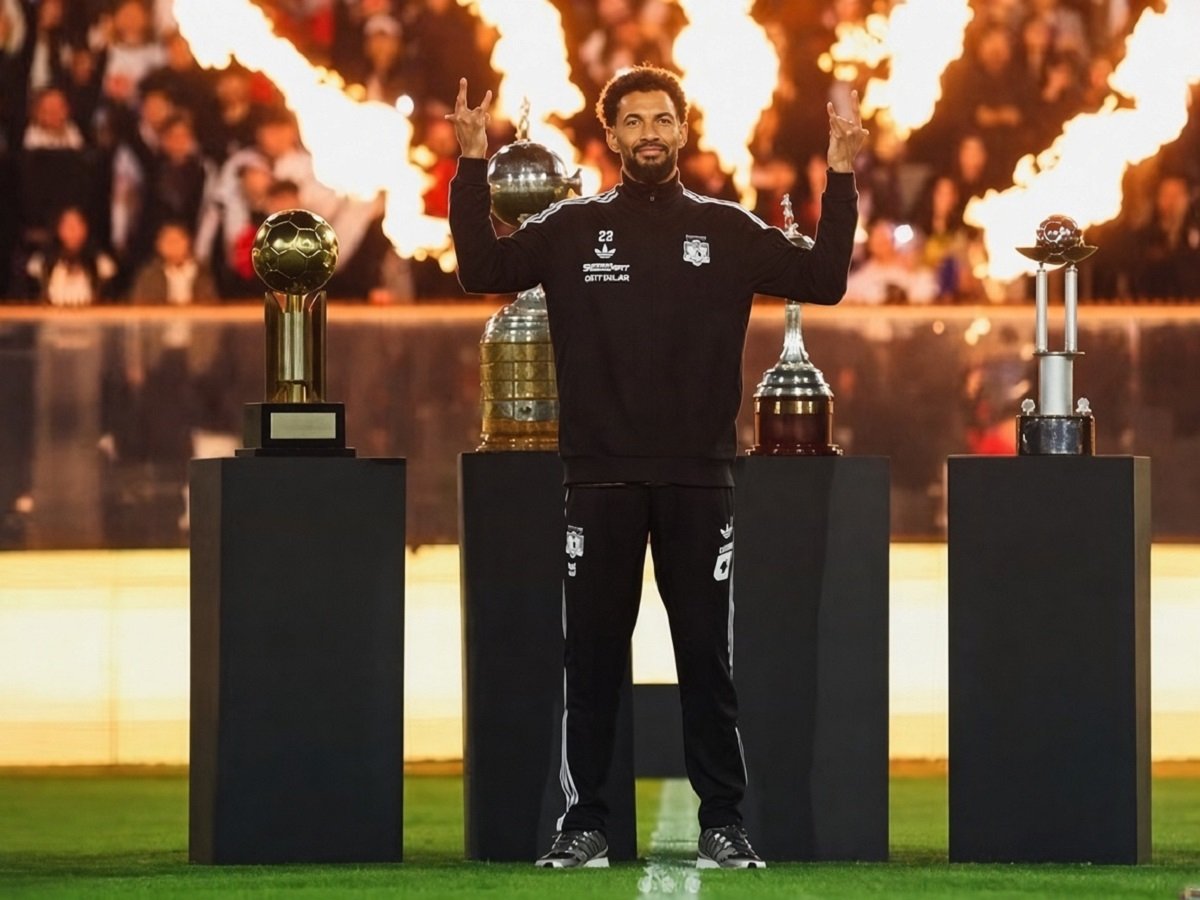
After the tournament he signed for Chilean club Colo-Colo, the side that showed the strongest interest. He remains with the national team, having reconsidered an earlier plan to retire, and is preparing for 2027 Africa Cup of Nations qualifying.
His name even appeared among the nominees for the world’s best goalkeeper ahead of the Ballon d’Or ceremony—an honor he never imagined.
Vozinha’s story captures both the magic and the burden of overnight global fame.
A late-blooming goalkeeper from a tiny nation produced one of the World Cup’s most memorable performances, put Cape Verde on the map, and gained millions of admirers.
Yet the man at the center of it all would, given the choice, gladly return to the quieter existence he knew before the cameras and the crowds arrived.