en.malanginspirasi.com – The Indonesian Ministry of Health (Kemenkes) emphasizes on increasing public awareness of the dengue critical phase to prevent severe cases.
Kemenkes continues to strengthen dengue control efforts to achieve the national target of zero deaths from the disease by 2030.
The Director of Infectious Diseases at Kemenkes, Prima Yosephine, stated that dengue remains a serious threat in Indonesia because it has the potential to cause death if treatment is delayed.
“Dengue is dangerous because it can cause death. Therefore, the public needs to recognize the signs and symptoms and understand when to seek immediate medical attention,” said Prima at a media gathering themed “Indonesia Towards Zero Dengue Deaths by 2030” in Jakarta, Monday (June 15, 2026).
Prima explained that the course of dengue contain three phases that the public must understand.
First, the phase of high fever that occurs on the first to third day with a sudden temperature reaching 38–40 degrees Celsius, along with muscle aches and severe headaches.
Then, the critical phase that occurs after the third day, when the body temperature actually decreases.
This phase is often misleading because patients appear to be improving, but in fact, they are at risk of plasma leakage, bleeding, and even life-threatening shock.
And the last one is the healing phase as the body’s condition gradually improves and platelet counts begin to return to normal after passing through the critical phase with proper treatment.
“When the fever subsides, the public should not immediately assume the patient is cured. This critical phase is what needs to be monitored because it can lead to life-threatening conditions,” Prima emphasized.
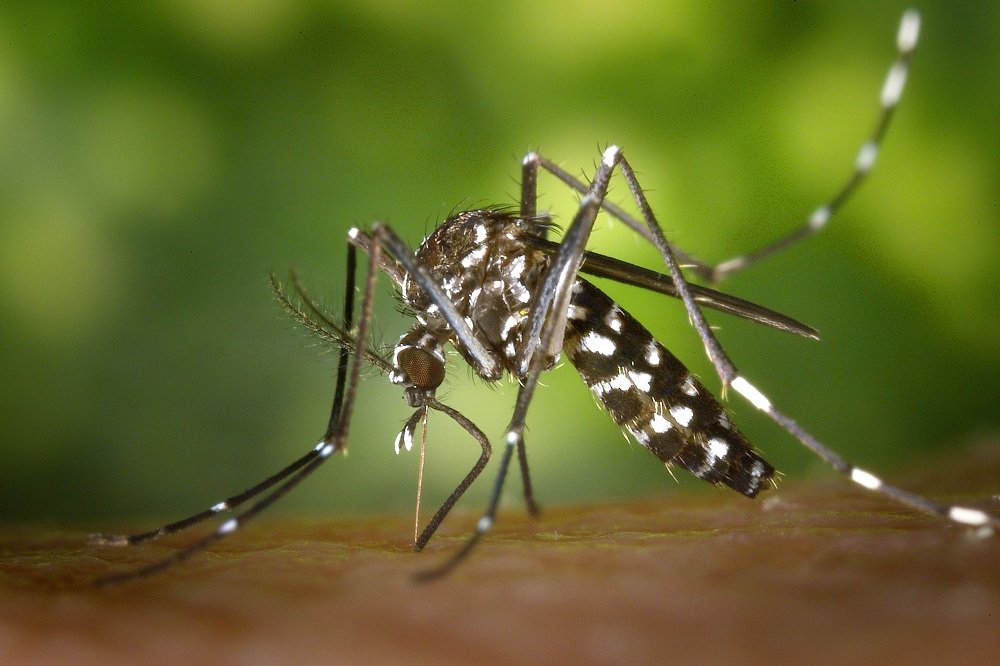
In addition to recognizing the symptoms, Kemenkes also urges the public to actively break the chain of transmission by eliminating Aedes aegypti mosquito breeding grounds.
Also Read:
Prepare Now for Quality Old Age: Message from Kemenkes for HLUN 2026
ASEAN Strengthens Commitment to Zero Dengue Deaths by 2030
Mosquitoes carrying this virus are known to breed in clean, stagnant water, both inside homes and in the surrounding environment.
These breeding grounds include bathtubs, water towers, dispenser/refrigerator reservoirs, flower vases, used items, and natural depressions such as bamboo holes and leaf sheaths.
As a preventative measure, Kemenkes encourages the public to implement water reservoirs, tightly covering water containers, and recycling used items that could potentially hold water.
The primary goal is to eliminate mosquito breeding grounds and prevent Aedes aegypti mosquitoes from breeding.
“Through a combination of education, early detection, rapid medical treatment, and the 3M Plus program, the government is optimistic that the target of zero dengue deaths in Indonesia can be achieved by 2030,” she concluded.