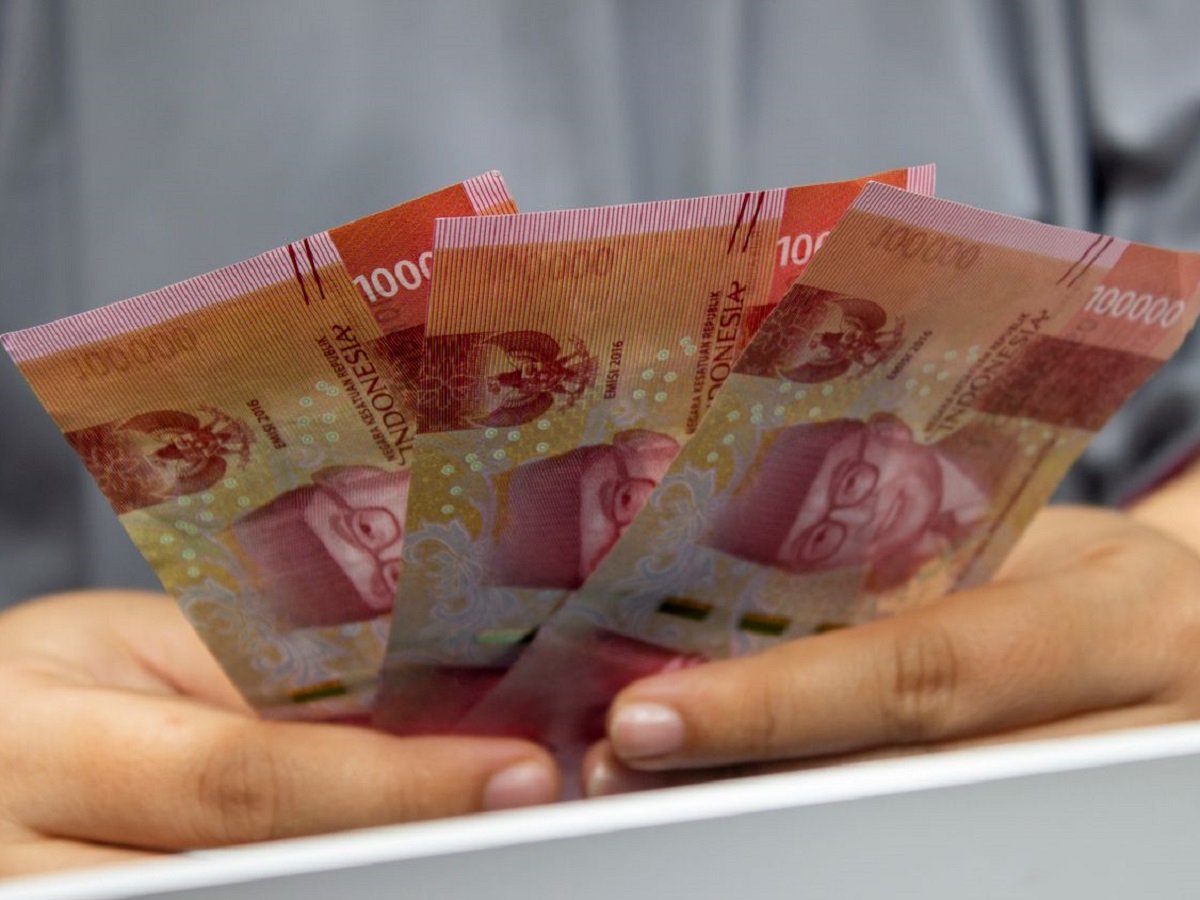
en.malanginspirasi.com – Escalating US-Iran geopolitical tensions, rising crude oil prices, and a sharp spike in global bond yields pushed the Indonesian rupiah past the 18,000 threshold against the US dollar on Tuesday, reaching its weakest level in nearly two months.
The rupiah fell to 18,010 per dollar—its lowest point since August 4—and fluctuated around the key 18,000 level throughout the session.
The currency’s slump reflects broader regional pressures after the overnight 10-year US Treasury yield touched a 19-year high above 5.27%, underpinning the US dollar near two-month highs.
Fakhrul Fulvian, chief economist at Trimegah Sekuritas Indonesia, attributed the rupiah’s weakness to external factors, particularly the rise in global long-term yields.
Higher US returns typically boost the greenback’s appeal over emerging market assets, triggering capital outflows from riskier currencies.
Fulvian also pointed to Bank Indonesia’s “aggressive” bond-buying as a contributing factor: “if yields are kept below the level required by private investors, the adjustment can move into the currency instead.”
Alongside currency pressures, Indonesian equities took a heavy blow. Jakarta’s benchmark stock index dropped as much as 2.2 percent during early trading, weighed down by external market turbulence and a major local policy overhaul.
Under a new rule introduced by the Indonesia Stock Exchange on Monday, the minimum share trading floor was slashed from 50 rupiah to 1 rupiah.
The regulatory change was designed to bolster market liquidity and improve price discovery following an MSCI downgrade warning over investability concerns in January, which contributed to a benchmark index decline of more than 30 percent this year.
The policy shift triggered immediate sell-offs in several equities, with a range of stocks dropping by more than 14 percent, the maximum allowed single-day limit.
Ride-hailing giant GoTo Gojek Tokopedia was among the hardest hit, plunging 14 percent across two consecutive trading sessions.
Baca Juga:
Rupiah Hits All-Time Low of Rp17,300 Against USD Amid Oil Crisis
Sharp declines in some stocks reflected delayed price discovery after the removal of the price floor allowed shares to trade at lower clearing prices, Fulvian said.
The benchmark index eventually recovered a portion of its early losses to trade down 0.6 percent by 0745 GMT, aided by a bounce of over 1 percent in major banking heavyweights, including Bank Rakyat Indonesia and Bank Mandiri.
The weakness echoed across broader Asian markets, where nearly all major stock indices traded lower. Shares in Kuala Lumpur dropped roughly 1 percent, Taiwan fell 0.8 percent, and Seoul dipped 0.3 percent.
Singapore equities managed to narrow early losses to sit 0.3 percent lower after the Monetary Authority of Singapore announced plans to allocate $1.1 billion to asset managers to support the local stock market.
Regional currencies also showed signs of stress, with the Taiwan dollar softening to 31.915 per greenback and the Philippine peso edging lower, while the Indian rupee and Thai baht held largely flat.