en.malanginspirasi.com – The rapid rotation of finance minister in Indonesia has captured intense international media attention.
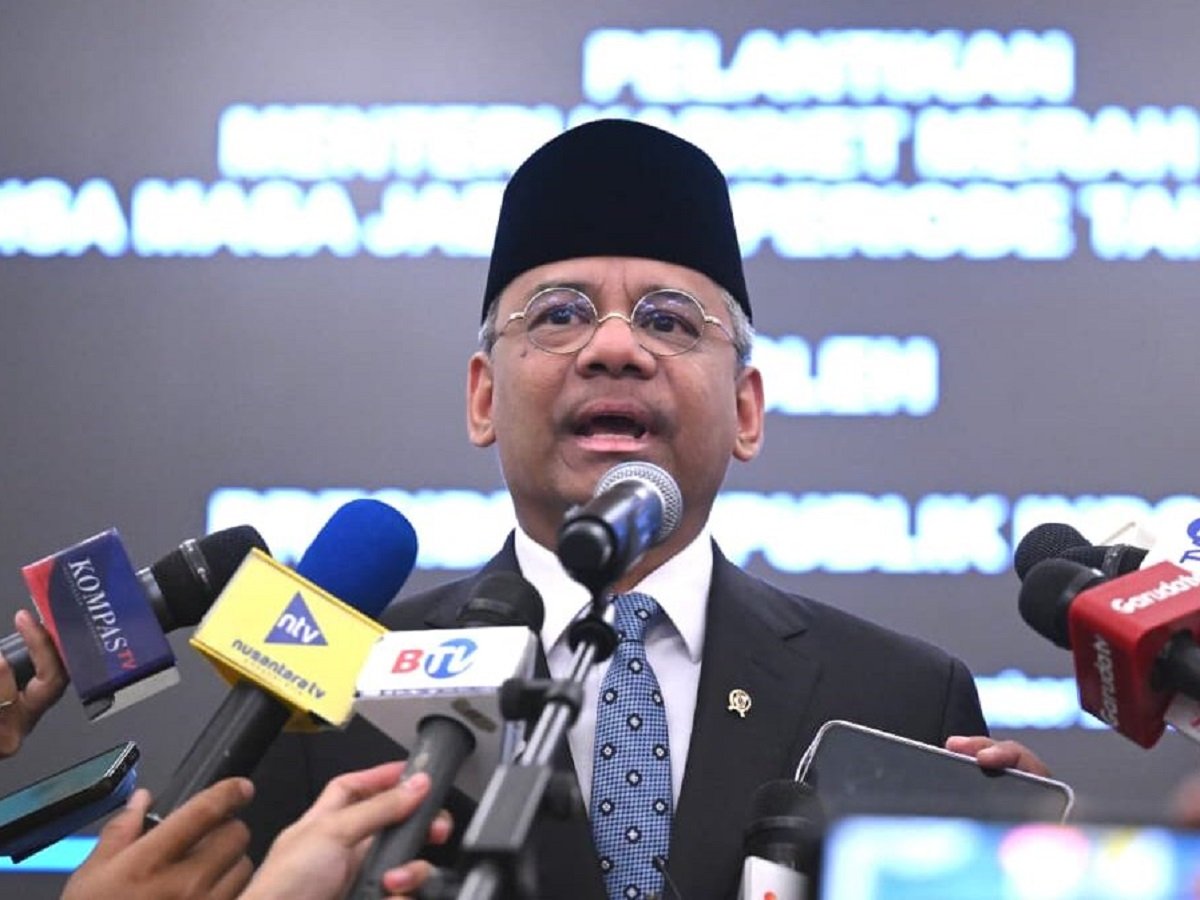
Reuters reported that the appointment of Suahasil Nazara—the nation’s third finance minister in less than two years—as a high-stakes effort by President Prabowo Subianto to stabilize Southeast Asia’s largest economy.
Global coverage has treated the move not as a routine cabinet shuffle, but as a critical bellwether for fiscal governance across emerging markets.
The decision to appoint Suahasil Nazara as Indonesia’s new Finance Minister on Monday has drawn intense international media scrutiny.
Marking the nation’s third finance minister in under two years, global observers view the rapid turnover as an urgent effort by the administration to regain foreign investor confidence amid mounting market uncertainty.
The sudden replacement of outgoing minister Purbaya Yudhi Sadewa—who was seen abruptly leaving a parliamentary hearing mid-session—dominated coverage across major global financial outlets.
International news organizations framed the cabinet shake-up not merely as domestic political maneuvering, but as a high-stakes turning point for fiscal governance in Southeast Asia’s largest economy.
Foreign reporting heavily emphasized that the leadership change comes on the heels of severe warnings from international credit agencies.
Earlier this year, both Fitch and Moody’s downgraded Indonesia’s credit rating outlook from stable to negative, explicitly citing policy instability and expanding public spending plans under the Prabowo administration.
Also Read:
Purbaya Stays as Finance Minister after Replacement Rumors, Rupiah and JCI Strengthen
Global analysts have consistently questioned the fiscal sustainability of the government’s costly flagship initiatives, including an expanded fuel subsidy budget and a high-profile free school meals scheme.
Purbaya’s controversial tenure was marked by friction with the central bank over rapid bank liquidity injections, a weakening rupiah, and doubts surrounding official economic data.
The tipping point for international observers came with Purbaya’s unverified announcement that sovereign wealth fund Danantara would transfer 120 trillion rupiah ($6.8 billion) to cover the fiscal deficit—a statement swiftly contradicted by Danantara’s management.
The appointment of Suahasil Nazara—a US-educated academic holding a PhD from the University of Illinois Urbana-Champaign and a long-time deputy minister under former Finance Minister Sri Mulyani Indrawati—is being interpreted by foreign markets as a shift back toward orthodox fiscal management.
Angus Mackintosh, an ASEAN specialist at Aletheia Capital, noted that Suahasil’s strong technocratic background is expected to foster much-needed policy stability and predictability.
Immediately following his swearing-in ceremony at the state palace, Suahasil moved to reassure international markets, pledging to maintain a credible state budget and strictly enforce the statutory fiscal deficit ceiling of 3 percent of GDP.