Malanginspirasi.com – Internationalization has become a big word in Indonesia’s higher education today.
It pops up in strategic plans, accreditation documents, partnership meetings, and student recruitment materials.
This word is usually associated with going abroad, building global competence and intercultural awareness, and cross-border collaboration as if they were natural parts of every student’s journey.
Yet, we all know that not every student can afford to go abroad. In fact, for many students and families, the idea of international mobility is still far beyond reach.
Forget about buying flight tickets, paying tuition overseas, or covering daily expenses in another country, not all of us even consider it necessary—or financially possible—to set aside some money simply to apply for a passport.
If we want internationalization to happen to most college students, universities need to figure out learning experiences that allow students to benefit from global engagement without requiring them to leave home and spend the money if they can’t afford it.
This is where virtual exchange becomes important.
What is virtual exchange?
Virtual Exchange—also known as COIL (Collaborative Online International Learning—is a technology-supported approach that connects students and lecturers in different countries so they can learn, communicate, and collaborate across borders through shared academic activities.
In short, students join an online class along with international friends.
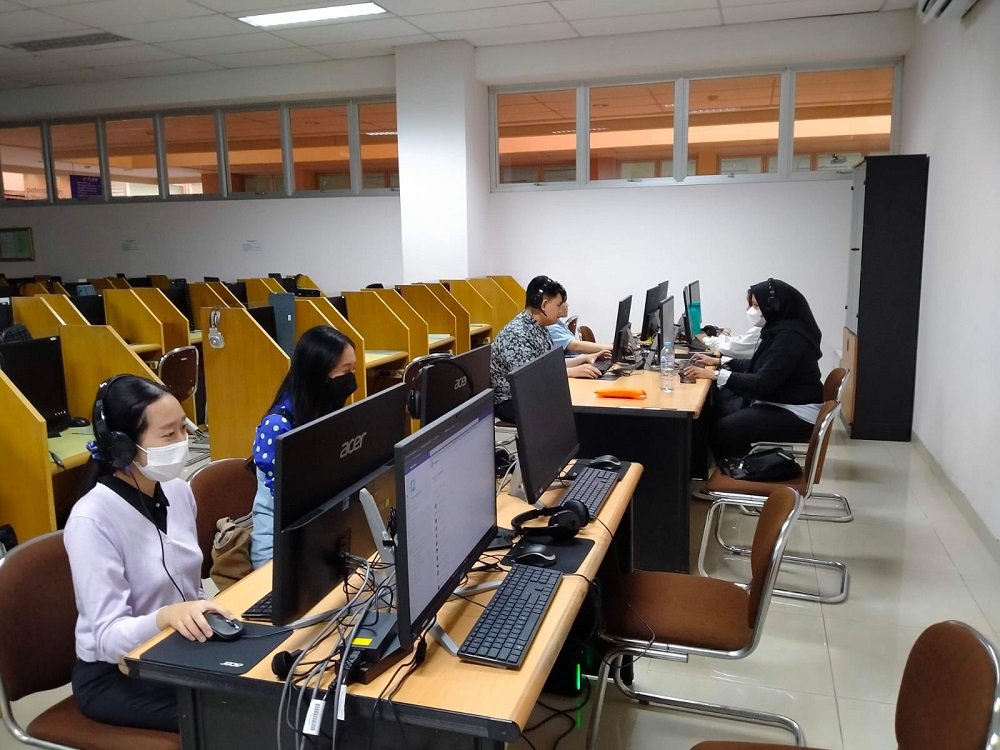
Just as in offline classes where students have to collaborate with classmates to complete tasks, students in virtual exchange classes have to discuss, work together, and complete assignments inside or outside class sessions.
As a Cross-Cultural Understanding teacher, I take internationalization seriously.
I encourage my students to participate in student exchange activities if they can afford them.
For those who are still building their confidence or haven’t had the means to go abroad, I’m proud to say we have a serious virtual exchange program.
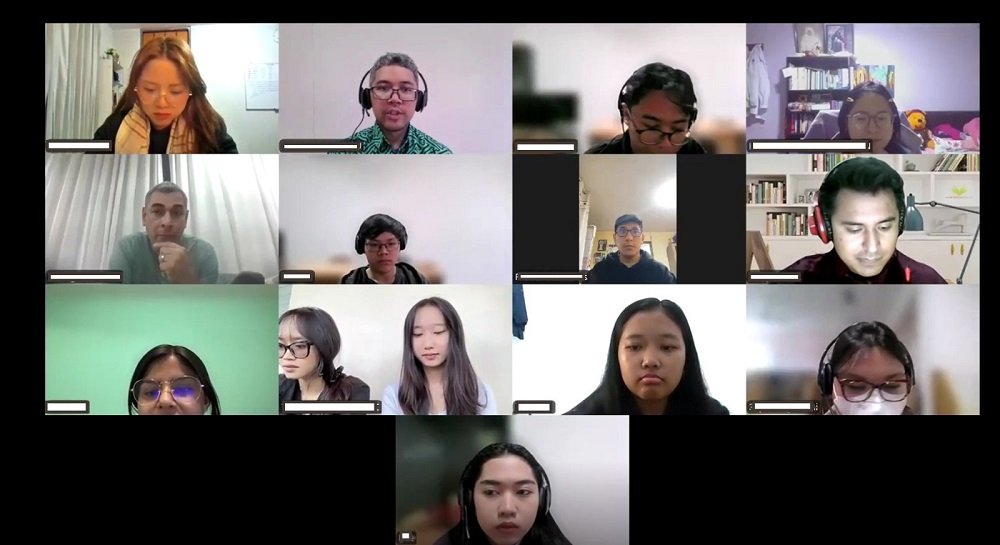
We’re quite fortunate at Universitas Ma Chung that we have started partnerships with East Carolina University (ECU). ECU has a consortium called Global Partnerships in Education, which is the hub for dozens of universities from around the world. GPE organizes virtual exchange or COIL classes that we participate in.
The virtual exchange classes have opened one thing: , not as distant names in a brochure, but as real partners with whom they could discuss ideas, complete assignments, and share knowledge.
Thanks to this program, my first semester students can join a virtual exchange class for their Cross Cultural Understanding class.
In this past academic year, they worked with students from Universidad De La Salle, Colombia. After working for one month in virtual exchange groups, they started working on a project to promote Sustainable Development Goals.
The collaboration made them communicate across time zones, negotiate meaning, compare perspectives, and produce academic work together.
They started knowing each other in the official classroom platform, but then their conversations continued over WhatsApp and Instagram.
When this batch of Ma Chung students took another class in the second semester that required them to record a conversation with someone in English, many of them reconnected with their Colombian friends.
They knew by then that they had friends across the globe that they could reach out to.
For these students, internationalization was no longer an abstract institutional slogan or an expensive journey reserved for those who could afford it.
It became a shared document, a video call, a discussion thread, a group assignment, and a moment of realizing that knowledge can be built with someone located thousands of kilometers away.
At the end of the day, it’s the benefits of the going abroad at matters the most. And it’s possible thanks to virtual exchange, the “going abroad” they all can afford.
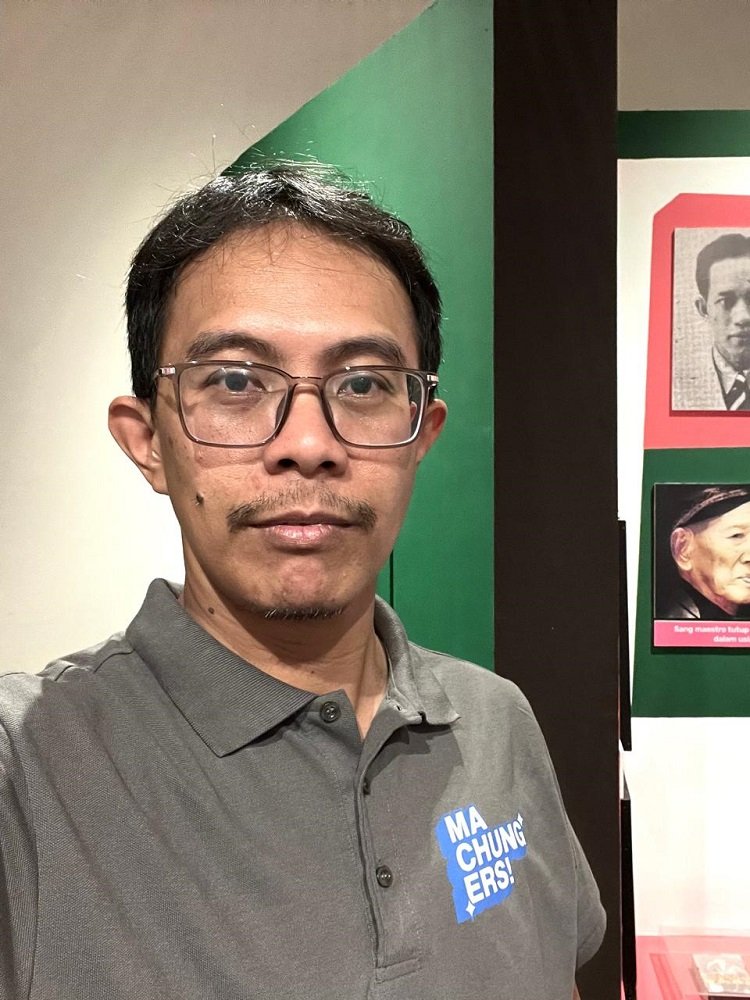
By Wawan Eko Yulianto, SS., MA., Ph.D.
A faculty member at the English for Global and Creative Communication study program, Universitas Ma Chung | Ma Chung University | 玛中大学