en.malanginspirasi.com – Active youth batik preservation is essential to ensure Indonesia’s rich cultural heritage remains vibrant, cherished, and relevant amidst rapid globalization.
Fostering national pride among the younger generation serves as a crucial step toward safeguarding identity while inspiring fresh creative expression.
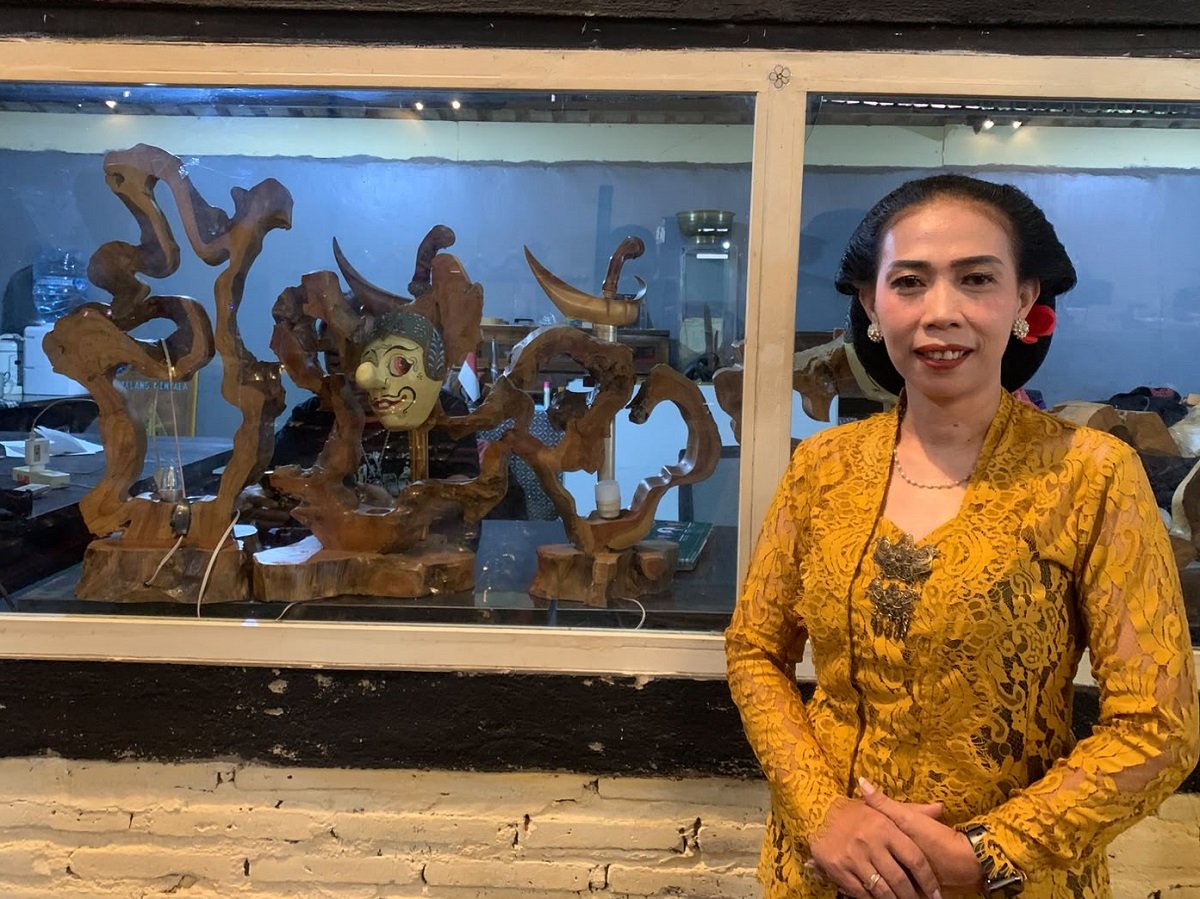
This central message was highlighted by cultural practitioner Ary Sulistyowati, S.Pd.—famously known as Dhasimah—during a specialized batik workshop held at Padepokan Puspawarno in Malang City.
The event carried the theme “From Fabric to Masterpiece: Youth Preserving Culture.”
Ary emphasized that the workshop aimed to look beyond batik as a mere commercial textile. Instead, the initiative focused on cultivating deeper awareness among young people to understand, appreciate, and actively safeguard Indonesian traditions.
While acknowledging that globalization poses ongoing challenges to local customs, Ary noted that traditional arts retain immense potential to adapt and flourish when backed by community engagement, active youth involvement, and dedicated cultural advocates.
Also Read:
Batik Kantil by Yusnani Dwiana, A Local Art with Global Recognition
“We must preserve it through the youth so they understand the true meaning of our culture—particularly batik,” Ary explained.
Addressing a common misconception, Ary pointed out that some young people still view batik and kebaya (traditional attire) as outdated or formal garments detached from modern trends. She stressed that direct, hands-on educational experiences are key to shifting this mindset.
Batik and kebaya represent far more than ordinary apparel; they embody national identity, history, and philosophical depth passed down through generations.
“This is our batik, this is our kebaya, this is our culture. We want them to truly love and own their heritage,” she noted.
Furthermore, Ary urged young Indonesians not only to recognize batik but to take pride in promoting it on the international stage. As Indonesian heritage continues to capture global interest, local youth should lead that narrative with equal enthusiasm.
The workshop functioned as an interactive space bridging traditional art with modern youth culture, encouraging participants to innovate while staying rooted in their cultural origins.
Closing her address, Ary underscored that preserving cultural legacy requires concrete action rather than passive appreciation.
“Batik is our culture and our ancestral heritage. We must actively preserve it so that our legacy remains rightfully ours,” she asserted, expressing confidence that love for batik can evolve into a broader lifestyle movement across the nation.