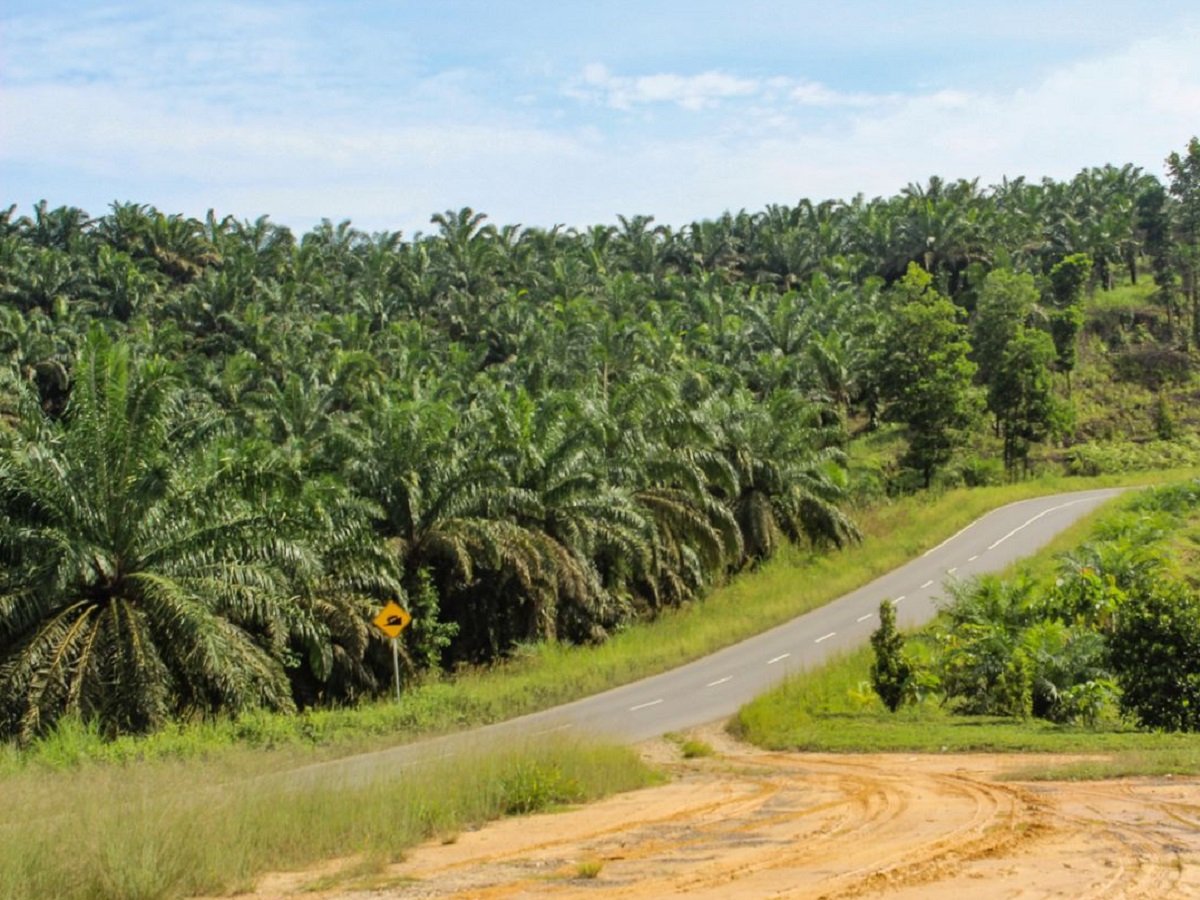
en.malanginspirasi.com – Trade data confirms that Indonesia, the world’s largest palm oil producer, has been the primary source of palm oil imports to Israel in recent years, even as the country maintains no formal diplomatic relations with Israel and its leaders repeatedly voice support for Palestine.
According to World Integrated Trade Solution (WITS) and International Trade Centre data, Indonesia exported refined palm oil and liquid fractions (HS 151190) worth about $21.63 million (21,908 tons) to Israel in 2024. Similar volumes continued into 2025 at roughly $21.6 million (around 19,185 tons).
Over 2020–2025, Indonesia supplied an average of about 71% of Israel’s palm oil (HS 1511) imports, with the share ranging as high as 88% in some years.
Major Indonesian groups such as Wilmar, Sinar Mas (SMART/Golden Agri-Resources), Musim Mas, and Royal Golden Eagle dominate the country’s overall palm oil exports; reports link shipments in this trade to these networks.
Because Indonesia and Israel lack formal diplomatic ties, some flows have historically moved through third-country hubs such as Singapore, though Comtrade and related data often record Indonesian origin directly.
Also Read:
Prabowo Firmly Denies Indonesia Promised US$1 Billion to Join BoP
Israel’s total palm oil needs are modest relative to Indonesia’s massive export volumes (tens of millions of tons annually, valued in the tens of billions of dollars).
The Israeli market accounts for well under 0.12% of Indonesia’s palm oil exports.
Indonesia’s export regulations on palm oil—covering duties, levies, and reference prices—do not differentiate by destination country or diplomatic status.
The trade has continued steadily as ordinary commercial activity between private companies.
This commercial reality sits alongside Indonesia’s longstanding political stance.
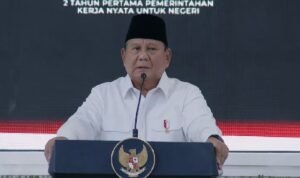
President Prabowo Subianto has repeatedly affirmed support for Palestine, including leading crowds in “Free Palestine” chants at the 100th anniversary of the Darussalam Gontor Islamic boarding school in September 2026 while wearing a keffiyeh presented by the Palestinian ambassador.
He has described the suffering in Gaza, condemned illegal Israeli settlements, and reiterated backing for a two-state solution. Indonesia has no diplomatic relations with Israel and has historically conditioned any recognition on Palestinian statehood
A number of reactions focused on President Prabowo specifically, arguing that public “Free Palestine” statements clash with business realities involving major Indonesian conglomerates.
Defensive or contextual comments pointed out the tiny share of total Indonesian exports and the absence of government-to-government deals, framing it as private trade under neutral rules.
Cross-border comparisons (including with Malaysia) also appeared, with some users debating which country’s products reach Israel.
The discussion underscores a familiar tension in Indonesia: strong public and official sentiment favoring Palestine alongside pragmatic commercial engagement in global commodity markets.
Palm oil remains a cornerstone of the Indonesian economy, employing millions and generating major foreign exchange.