Some foods become famous because they are extravagant.
Others earn their place in history because they tell the story of the people who created them.
In Malang, that story belongs to mendol.
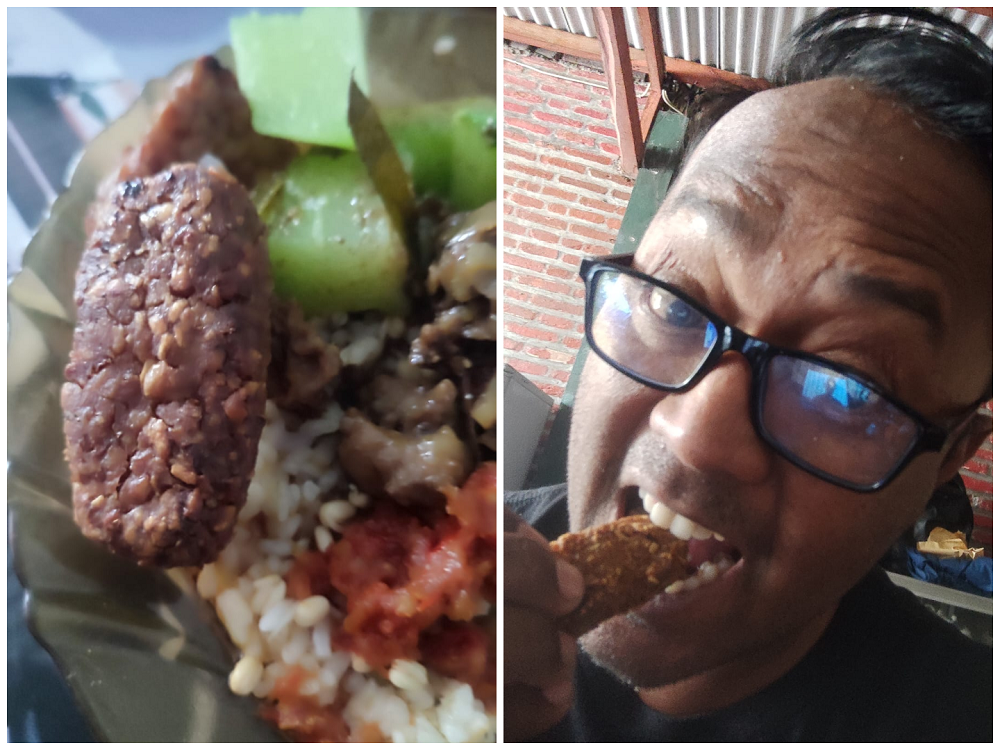
At first glance, mendol appears remarkably ordinary. Its rough golden-brown surface gives little hint of the craftsmanship hidden beneath.
It is neither large nor elaborate. There are no luxurious ingredients, no complicated presentation, and no attempt to impress.
Yet ask anyone who grew up in Malang, and they will tell you that this modest piece of fried fermented tempeh is one of the city’s true culinary identities.
The story of mendol begins with wisdom rather than wealth.
Long before sustainability became a global movement, families across East Java believed that food should never be wasted.
When fresh tempeh naturally fermented into what locals call tempe semangit, most people today might throw it away. Earlier generations saw opportunity instead.
They mashed the fermented tempeh by hand, blending it with garlic, shallots, coriander, bird’s-eye chilies, aromatic kencur, kaffir lime leaves, and a touch of salt.
The mixture was then carefully shaped before being fried until the outside turned beautifully crisp while the inside remained soft and full of character.
What emerged was not simply another side dish, but a culinary tradition that has survived for generations.
The name “mendol” is just as intriguing as its flavor.
Although there is no definitive historical document explaining its origin, local culinary tradition associates the word with an old Javanese expression referring to the act of firmly pressing or shaping something by hand.
Every piece of mendol is formed with the palm, gently squeezed and compacted before it meets the hot cooking oil.
Unlike many traditional foods named after their ingredients or birthplace, mendol is believed to take its name from the hands that shape it.
Also Read:
Orem-Orem: The Dish That Tells Malang’s Oldest Story
Perhaps that is what makes the dish so deeply human. Every cook creates mendol slightly differently.
Some make it longer, others rounder. Some prefer a stronger note of kencur, while others add more chili for extra warmth.
There is no perfect formula—only family recipes, personal instinct, and experience passed quietly from one generation to the next.
Take your first bite, and the simplicity disappears.
The crisp exterior gives way to a tender center with an intense, earthy flavor that only naturally fermented tempeh can offer.
The fragrance of coriander and kaffir lime lingers gently, while the kencur adds a warm, peppery finish unique to Javanese cuisine.
Rich in umami and surprisingly complex, mendol proves that extraordinary flavor does not require expensive ingredients.
Today, mendol remains an everyday food in Malang. It is sold in traditional markets before sunrise, displayed in glass cabinets at family-run eateries, and prepared in countless home kitchens across the city.
Unlike many heritage dishes that have evolved to suit changing trends, mendol has remained remarkably faithful to its roots.
For visitors hoping to experience authentic mendol, several long-standing local eateries continue to prepare it in the traditional way.
Among the most recommended are Rumah Makan Pecel Kawi Hj. Musilah on Jalan Kawi Atas No. 43B, Warung Bu Tinuk on Jalan Raya Cemorokandang, and many traditional food stalls inside Pasar Besar Malang, where freshly fried mendol is available every morning.
In a world where food constantly changes to capture attention, mendol offers something refreshingly different.
It does not ask to be noticed. It simply asks to be remembered.