en.malanginspirasi.com – Strengthening community preparedness has become a primary focus for the Faculty of Science and Technology (FSTeM) at Universitas Brawijaya (UB) through its Kampung Lingkar Kampus (Campus Belt Village) 2026 program.
Field experiences from disaster education initiatives in the Mount Semeru region serve as a key benchmark in developing the program’s framework.
The Dean of FSTeM UB, Prof. Ir. Sukir Maryanto, S.Si., M.Si., Ph.D explained that disaster education programs conducted in the Semeru area in 2021 and 2022 underscored the critical importance of building public awareness before a disaster strikes.
During that period, UB spearheaded disaster education through the Merdeka Belajar Kampus Merdeka (MBKM) initiative, mobilizing students from various disciplines, including the Geophysical Engineering Study Program.
The outreach targeted diverse demographics, ranging from schoolchildren to adults, aiming to foster a thorough understanding of local hazards and emergency response protocols.
Prof. Sukir noted that the tangible impact of this education became evident during the 2022 Semeru eruption.
According to his observations, local residents demonstrated significantly improved preparedness, particularly in executing timely evacuations and avoiding high-risk zones.
Baca Juga:
“During the 2022 eruption, the evacuation process ran smoothly. There was heightened awareness among residents to steer clear of danger zones and evacuate sand mining areas promptly,” said Prof. Sukir.
He added that workers operating in sand mining sites immediately vacated the premises upon receiving early warnings.
This proactive awareness in anticipating threats stands as one of the most vital outcomes of community-level disaster education.
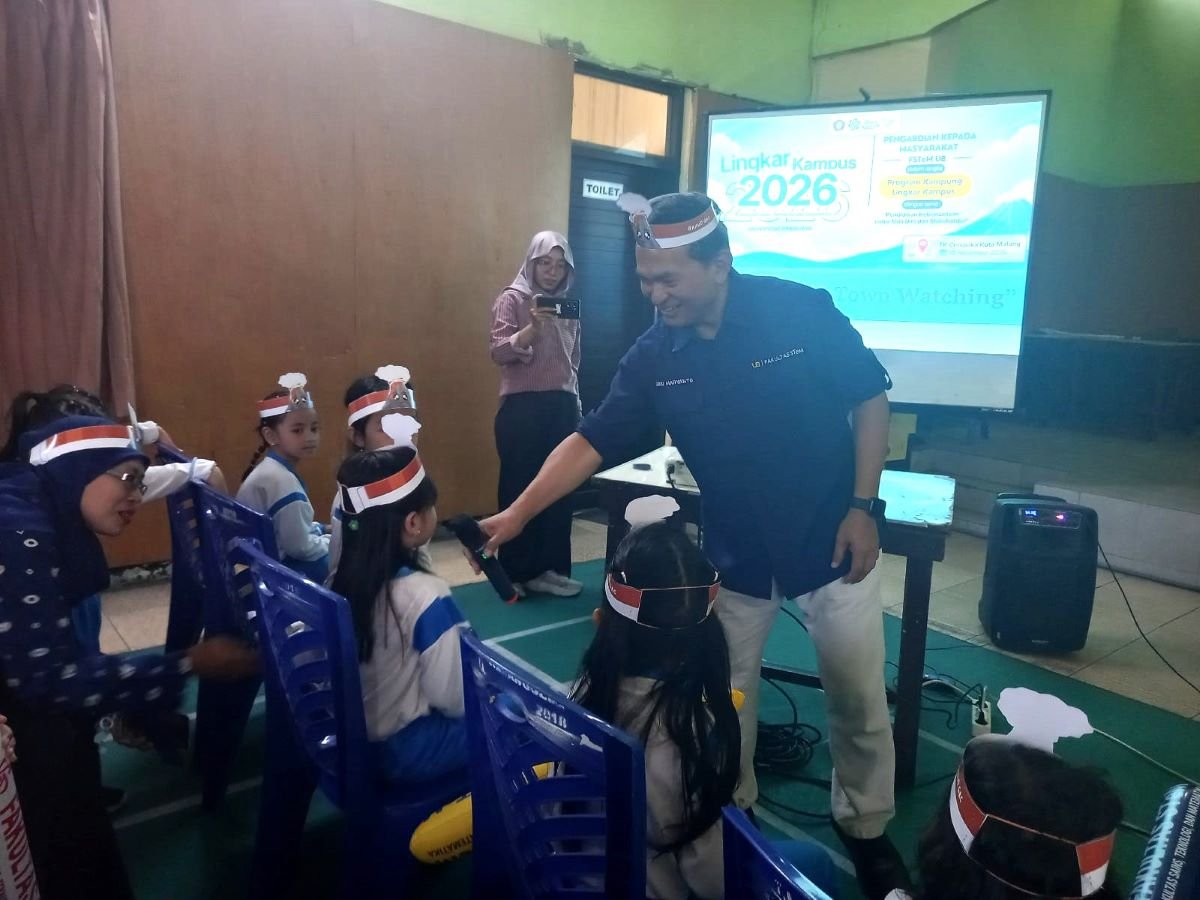
Building on these insights, FSTeM UB has integrated similar mitigation strategies into the Kampung Lingkar Kampus 2026 initiative with the first simulation for kindergarten students of TK Cempaka Ketawanggede Malang.
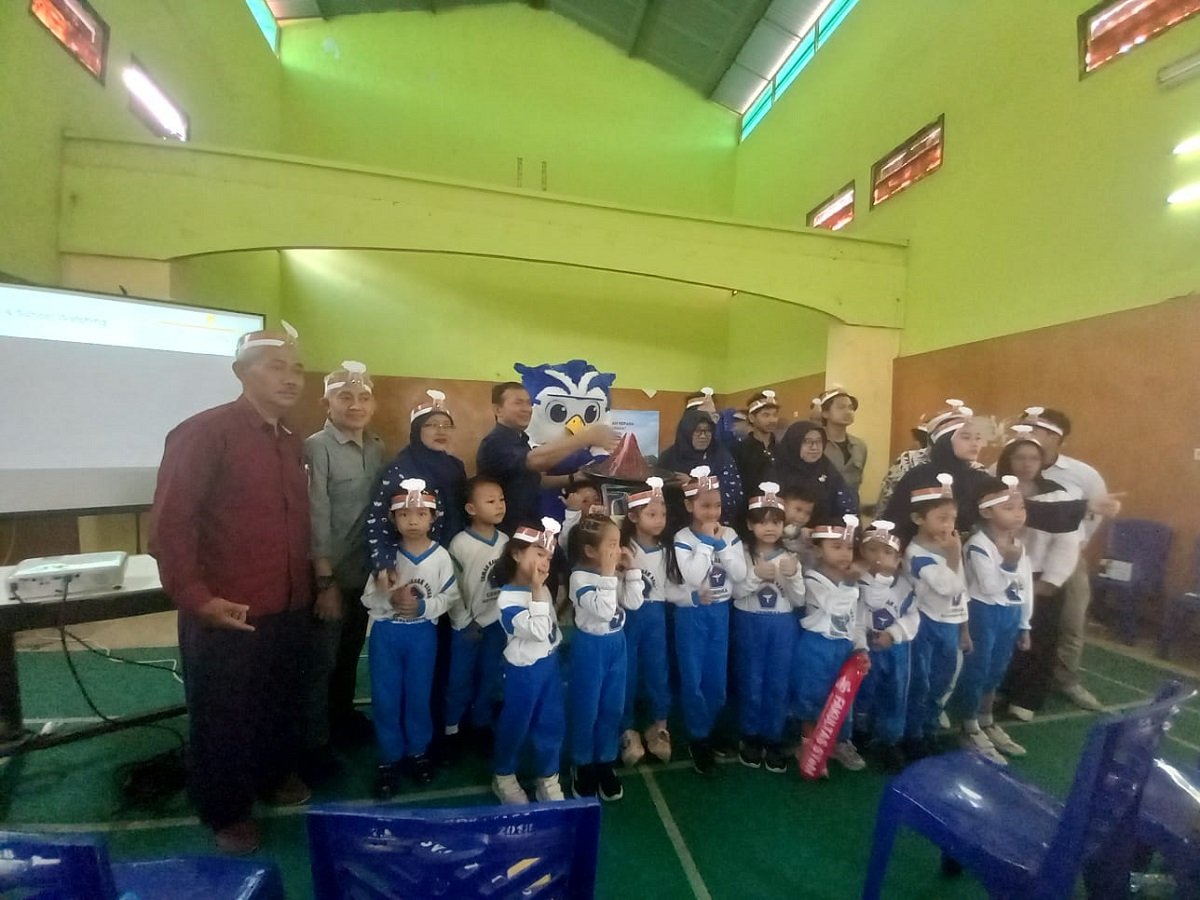
Prof. Sukir highlighted that the program incorporates Town Watching and School Watching—participatory methodologies adapted from Japan that empower residents and school communities to identify and map potential hazards in their immediate surroundings.
Prof. Sukir previously facilitated the implementation of Town Watching in Nadas Village, Probolinggo Regency, in 2011, before reintroducing the approach in the Semeru region a decade later in 2021.
He emphasized that effective disaster mitigation must begin with recognizing the most probable threats within a specific locality, as every region possesses distinct risk profiles.
“The core principle is to actively observe and recognize the specific disaster risks present in our own environment,” he explained.
Through Kampung Lingkar Kampus 2026, FSTeM UB aims to scale up these field-tested practices into a collaborative community service initiative involving faculty members, students, and local stakeholders.
Ultimately, the faculty hopes that academic knowledge on disaster management will translate directly into sustained, grassroots resilience.