EN.malanginspirasi.com – For years, South Malang in Malang Regency has been widely known as a natural tourism destination. However, behind its scenic landscapes, the region holds significant potential in agriculture and plantation sectors, particularly coffee cultivation, which has been ongoing since the Dutch colonial era.
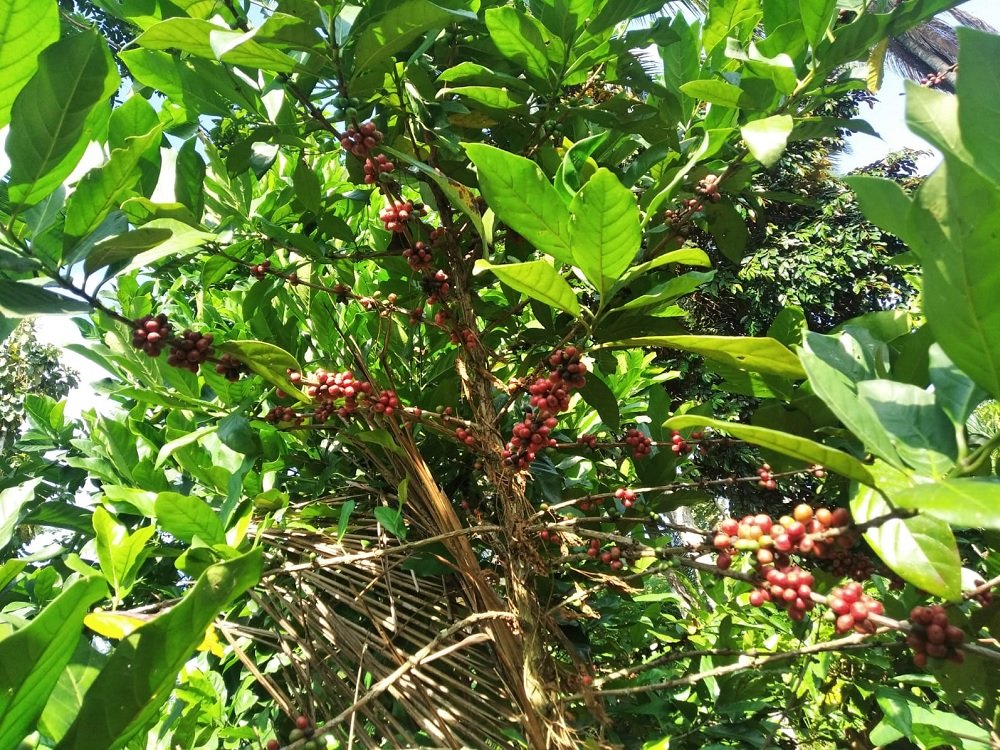
One of the flagship commodities is “Amstirdam” coffee. The name is an acronym of four coffee-producing districts in South Malang: Ampelgading, Sumbermanjing Wetan, Tirtoyudo, and Dampit. Robusta coffee dominates the area, though arabica is also produced. In fact, South Malang coffee has reached European markets.
Beyond Amstirdam, Malang Regency boasts several other premium coffee centers. These include coffee from the slopes of Mount Kawi in Wonosari District (managed by state-owned PTPN XII), Mount Arjuno slopes in Karangploso District, as well as coffee from Taji Village (Jabung District) and Benjor Village (Tumpang District). Several of these areas are now being developed into agro-tourism destinations offering farm-to-cup coffee processing education.
Coffee Cherry Waste Emerges as a New Challenge
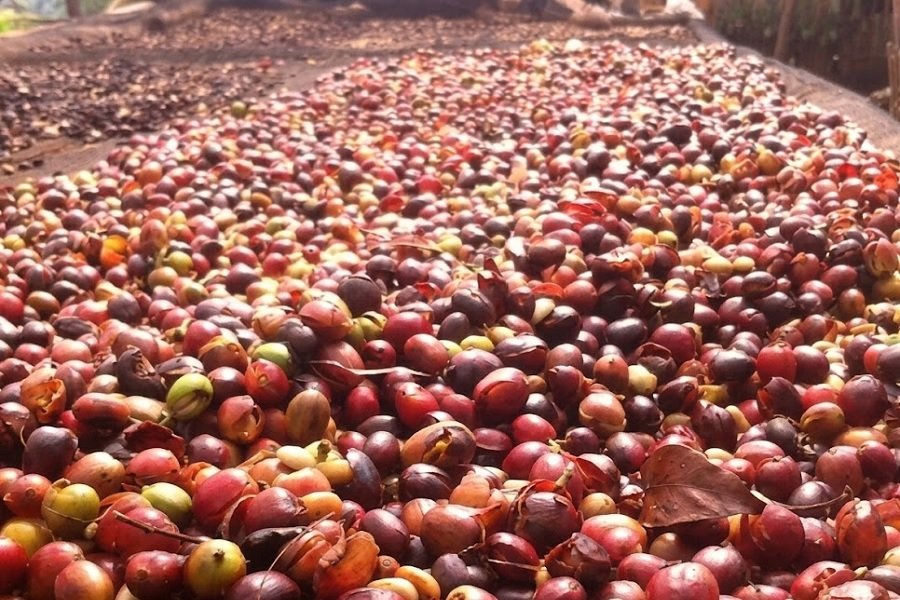
Amid high coffee production, a new challenge has arisen: managing coffee cherry waste. This byproduct has long been considered worthless and left as production residue. Yet, with innovation, coffee cherry waste holds the potential to become a high-value economic material.
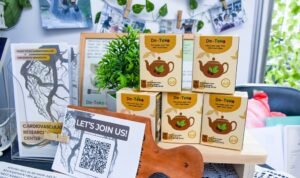
Addressing this challenge, the creative community Agrilo has initiated the use of coffee cherry waste as an alternative material resembling synthetic leather or vegan leather. This material is then crafted into various artisanal products such as wallets, bags, and fashion accessories.
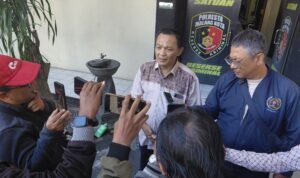
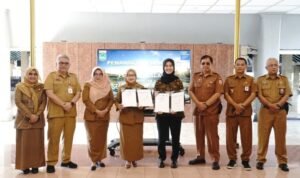
The Head of the Malang Regency Tourism and Culture Agency, Firmando Hasiholan Matondang, stated his office is ready to collaborate with coffee farmers to promote environment-based creative economy.
“This innovation shows that local potential can be developed into an eco-friendly solution with high commercial value. It is not just about production but also a means of public education,” Firmando told reporters on Wednesday (April 22).
Community Invited to Get Involved
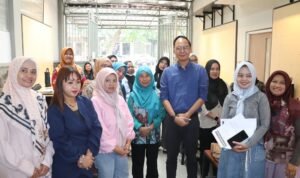
Firmando added that through various activities, the community will be directly involved in the coffee waste processing cycle. This approach is expected to raise both awareness and skills in sustainable resource management.
“Through synergy between the plantation sector and the creative economy, Malang Regency has the opportunity not only to maintain its reputation as a premium coffee producer but also to become a pioneer in local potential-based, eco-friendly innovation,” he explained.