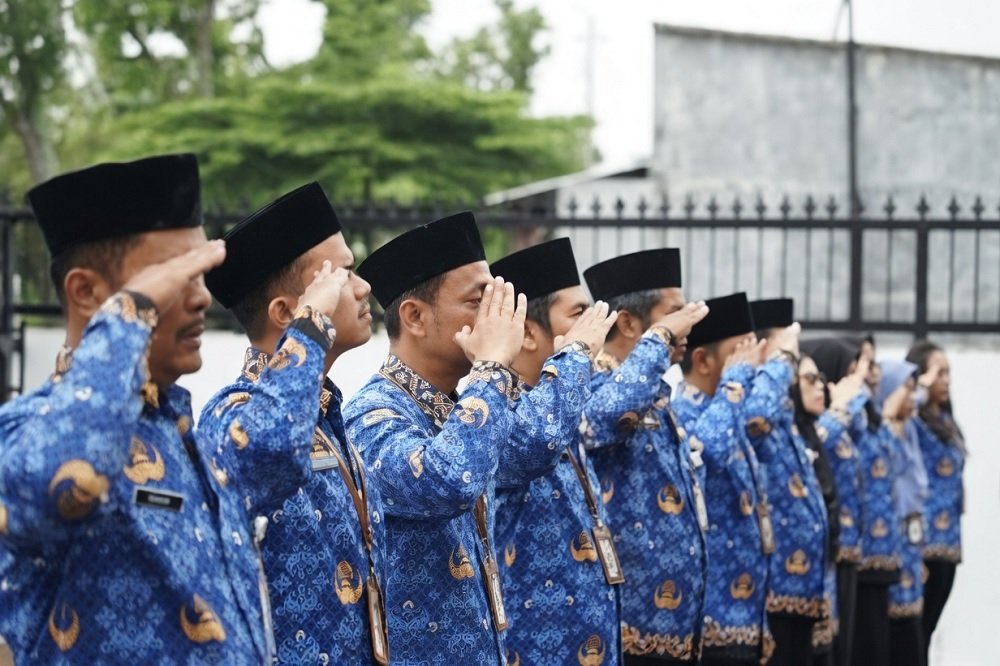
EN.malanginspirasi.com – The Indonesian government has officially implemented a Work from Home (WFH) policy every Friday for all State Civil Apparatus (ASN) in both central and regional government institutions, effective from April 1, 2026.
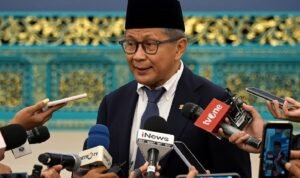
The announcement was made by Coordinating Minister for Economic Affairs Airlangga Hartarto during a virtual press conference on Tuesday, March 31, 2026. The policy forms part of the national program to transform Indonesia’s work culture into one that is more adaptive to global dynamics.
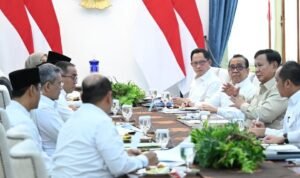
The regulation is formalized through two key Ministerial Circulars: one issued by the Minister of State Apparatus Utilization and Bureaucratic Reform (Menpan RB), and the other by the Minister of Home Affairs (Mendagri) Tito Karnavian under Number 800.1.5/3349/SJ, signed on March 31, 2026. The Mendagri circular is specifically addressed to all regional heads to ensure uniform implementation across local governments.
The Friday WFH policy serves as a proactive measure in anticipation of rising global oil prices caused by the conflict in the Middle East. Its primary objectives include reducing national fuel consumption (BBM), improving state budget efficiency (with projected savings of up to Rp6.7 trillion in the APBN), easing traffic congestion in major cities, and accelerating the digitalization of public services.
Read Also:
East Java Provincial Government Implements Scheduled Work From Home Policy for Civil Servants
Pemkab Malang Studies Selective WFH for ASN to Save Fuel Amid Global Oil Crisis
The government emphasizes that this policy does not reduce the number of working days. Instead, it introduces a more flexible work arrangement while maintaining the total weekly working hours for all ASN.
Exemptions apply to several critical sectors. Strategic public services — including healthcare, security, defense, disaster management, energy, logistics, as well as the production and distribution of basic necessities — will continue to operate normally at offices or in the field. The education sector will also maintain full five-day in-person learning.
In remote areas with limited internet access or for institutions requiring 24-hour field operations (such as government hospitals and police stations), agency leaders may adjust the implementation of the policy as needed.
Performance Evaluation Every Two Months
Minister of State Apparatus Utilization and Bureaucratic Reform Rini Widyantini stressed that performance monitoring will be significantly tightened through national digital systems, including e-kinerja, digital attendance, and output-based reporting.
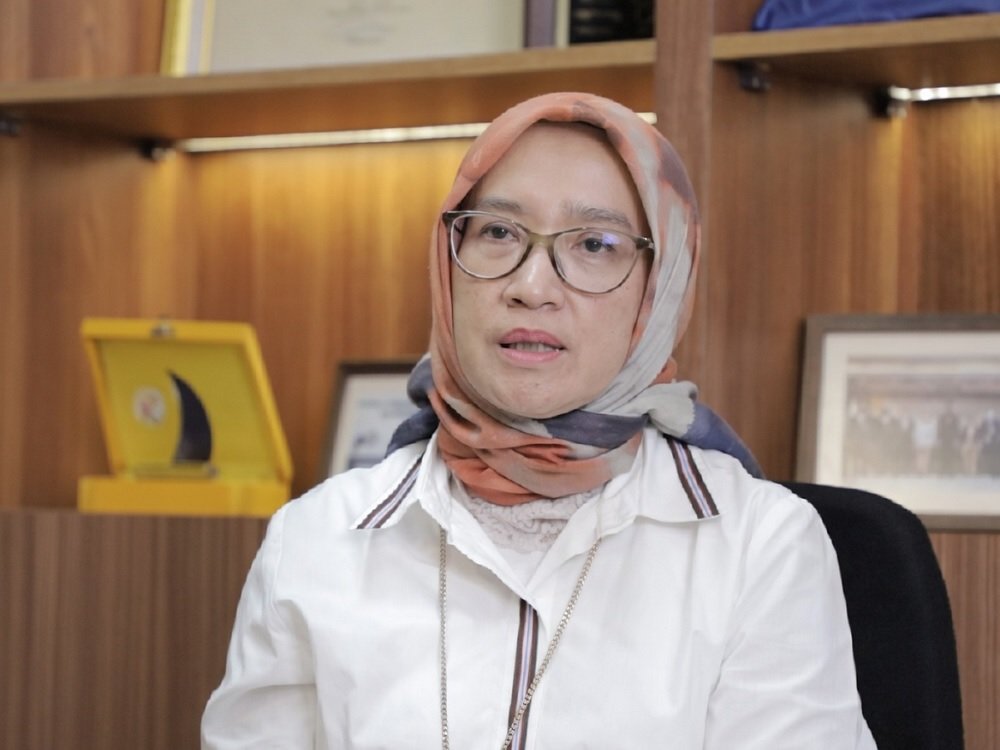
“The WFH flexibility must not lead to any decline in discipline or failure to meet work targets,” she said.
The policy will undergo regular evaluations every two months to assess its effectiveness in terms of productivity, public service quality, and achievement of energy-saving goals.
The government is also encouraging the private sector to adopt similar flexible working patterns, following guidance from the Minister of Manpower. Participation remains voluntary and should be tailored to the specific needs of each industry.