en.malanginspirasi.com – Indonesian President Prabowo Subianto on Wednesday accused global index provider MSCI of attempting to ‘intimidate’ the country with its proposal to reclassify Indonesia’s stock market from emerging-market to standalone status, declaring that the nation fears no one and will not be cowed.
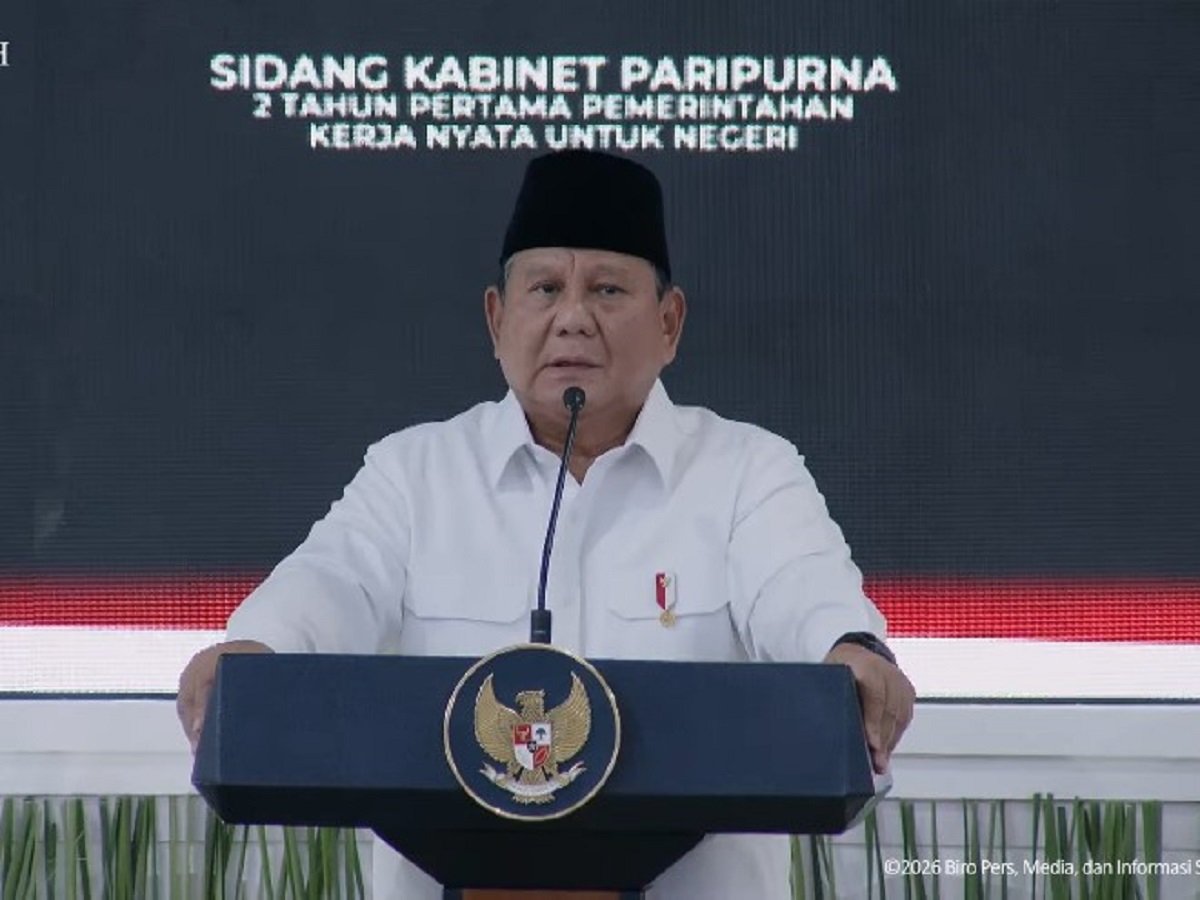
Speaking to his cabinet in a meeting broadcast on the government’s official YouTube channel, Prabowo struck a defiant tone in his first public reaction to the warning that triggered last week’s market turmoil.
“The MSCI…intended to intimidate us,” he said
“I simply say to the MSCI: the Indonesian nation fears no one and will not be cowed. We possess strength, we have courage, we are willing to make sacrifices, and we refuse to surrender,”he continued.
The comments come days after MSCI announced it was launching a consultation on demoting Indonesia to “standalone” market status—the harshest category, shared by markets such as Argentina, Lebanon, Ukraine, and Zimbabwe.
MSCI cited insufficient progress on reforms addressing ownership transparency, free-float data reliability, and suspected coordinated trading practices, stating that even a move to frontier status would not adequately reflect the severity of the issues.
The announcement sparked panic selling. On October 16, the Jakarta Composite Index (JCI) plunged 11.6 percent—its steepest one-day drop since the 1998 Asian financial crisis—wiping out approximately $65 billion in market value.
Also Read:
The index has lost more than 40 percent year-to-date, making it one of the world’s worst-performing major markets.
Foreign investors have already pulled nearly $5 billion from Indonesian equities this year, and analysts estimate a full downgrade could trigger additional passive outflows of $4–5.6 billion, with active funds potentially adding billions more.
The rupiah has also come under pressure, hovering near multi-month lows, while government bonds have sold off amid broader concerns about fiscal health and central bank independence under Prabowo’s administration.
Indonesian authorities have defended their reform efforts.
The Financial Services Authority (OJK) and Indonesia Stock Exchange (IDX) say they have advanced measures on transparency, liquidity, and enforcement, including excluding highly concentrated stocks from the benchmark index and imposing sanctions on certain firms for trading violations.
Officials met with MSCI representatives earlier this week and insist the concerns can be addressed.
MSCI maintains that its decisions follow transparent, rules-based methodologies.
The consultation period runs until April 30, 2027, with a final decision expected by the end of June 2027.
Jakarta has until then to demonstrate sustained improvements in market governance and functioning.
Prabowo’s combative response underscores the high stakes for Southeast Asia’s largest economy.
A downgrade would exclude Indonesian stocks from major global indexes tracked by passive and active funds, potentially isolating the market further and intensifying capital flight at a time of already fragile investor confidence.
Netizens’ Reactions
Prabowo’s remarks quickly went viral on social media, particularly X (Twitter) and Instagram, drawing sharply divided responses from Indonesian netizens.
They stressed that MSCI is primarily asking for greater ownership transparency, more reliable free-float data, and stronger enforcement against coordinated trading—not a test of national bravery.
“MSCI is asking for transparency and good governance in the stock market. Why respond with nationalism? You should be more worried about inaccurate reports all this time”
“Mr. President, just fix the IDX properly. No need to shout from the podium. You’re the president—be wiser.”
“What MSCI wants is exactly what many domestic market players also want. This has nothing to do with being brave or afraid.”
Sarcastic and meme-filled reactions were also widespread.
Some users paired the “we fear no one” line with screenshots of the plunging JCI chart, captioning it with phrases like “We’re finished, guys…” or joking that the cabinet would soon claim “the market is green again” while the reality remained otherwise.
A portion of netizens floated theories of foreign interference (including unproven claims involving Singaporean sovereign wealth funds, which have been denied), while others focused on the urgent need for genuine internal reforms to restore investor trust before MSCI’s final decision in mid-2027.